They all think he’s Number One. That’s what he tells himself, anyway.
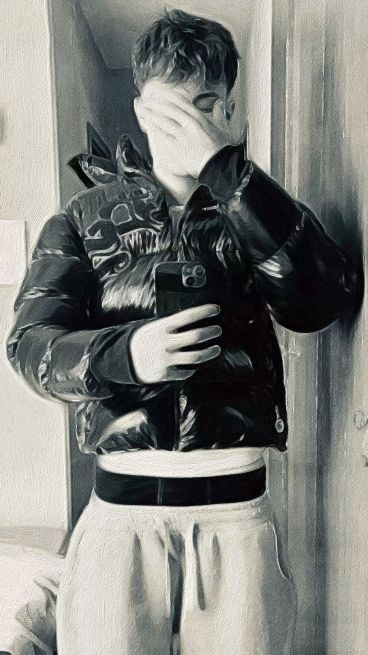
Whose idea was it to call me Colvey?
Mum says it weren’t her. So who the fuck was it then? Like she never had a say in it. Couldn’t have been Dad, could it? No chance. No one even knows who the fuck Dad is, ‘cept Mum, and she ain’t saying shit.
Only thing she ever told me was his family were bare-knuckle fighting gypsies. Said I got his looks.
He was a bit of a looker, apparently.
Got Mum into bed one night, got her pregnant, then fucked off. Job done. Probably got half-brothers and sisters all over Newham. Probably had a scrap with most of ’em.
Didn’t exactly get an easy start, did I?
Had to fight to survive. Hated school. Didn’t go much anyway. Too much other stuff going on. Got expelled twice. Teachers thought they were getting rid of me. They never clocked that was exactly what I wanted.
Shoplifting. Drugs. Nicking motors. Few decent fights.
Kid stuff.
Coppers hated me. Still do. They reckon I’m a waste of space. Some little cunt from Newham who’s never gonna amount to nothing.
They don’t know shit.
I’m good with my hands. Must be Dad’s side of the family coming through. Good with my head too, when I bother using it.
You got to be good round here.
There’s always someone wants you gone. Someone wants what you’ve got. Someone thinks you’re trouble and reckons they’re the one who’s gonna sort you out.
But I ain’t scared of ’em.
They’re tossers.
I’ve got my boys.
And I pick every one of ’em. That’s important. Don’t just let any geezer in. They make me look good. They protect me. I protect them.
Well… mostly.
Got to keep ’em in line. Give one of ’em a slap now and then. Let ’em know who’s boss. They call it respect.
I call it keeping order.
Everyone thinks I’m fucking stupid.
Good.
Let ’em.
I’ve got things going on they ain’t even got a clue about. I make a living doing fuck all, basically. My boys make the trouble. I get my share of the readies.
Simple.
And they love it. That’s the funniest bit. They love being one of Colvey’s boys. Gives ’em a name. Gives ’em status.
Don’t fuck with Colvey and his boys.
Heard someone call us the London Boys once.
Fucking loved that.
Not Newham Boys.
London Boys.
Sounds bigger, don’t it? Like we’re not just some bunch of geezers knocking about the same few streets. Like we’re part of something.
London.
Biggest fucking city in the country and we’re right in the middle of it.
Beautiful people, we are.
Got to look the part.
Designer kicks. Stone Island. Moncler. Canada Goose. Trapstar. Corteiz. Whatever’s hot, basically.
Best gear comes through my contacts. Some of it gets knocked off. Some of it just appears.
People give you things when they’re frightened of you.
That’s one thing I’ve learned.
Give it away for nothing, hoping you’ll leave ’em alone. Works for a bit.
Then you give ’em a little reminder.
Next week they’ve got another bag waiting.
Yeah.
I’m not fucking stupid.
I give my boys numbers.
Makes it easy.
I’m Number One.
Mason’s Number Two.
Top dogs.
Problem is, I don’t trust Mason.
Never have.
Good-looking geezer. I’ll give him that. Girls like him. Boys like him. Thinks that makes him clever.
It don’t.
Always keep an eye on him.
Never turn your back.
He’d put a knife in me if he thought he could get away with it.
And if he did, I’d do him for real.
That’s why I carry one.
Lock knife. Down my sock. Diamond in the handle.
Stole it off some bloke in Hackney.
Never want to use it.
That’s the thing.
People think carrying a knife means you want to use it.
I don’t.
Rule One: don’t stab nobody.
Rule Two: don’t shoot nobody.
Don’t even own a gun.
Could get one if I wanted.
Rule Three: don’t kill nobody.
Simple rules.
Problem is, rules only work if everyone’s playing the same game.
My boys ain’t always.
Neither am I, if I’m honest.
Used the knife once.
Bad move.
Wasn’t even with my boys. Guy had me cornered, mouthing off, calling me a pussy. Told me to brick it.
I stared him out.
Didn’t blink.
I’d practised that.
Quick movement. Blade open. Caught his arm.
Didn’t even mean to cut him that bad.
Ripped his fake Haglöf, though.
He bricked it.
Saw him later.
Got my chance.
Punched him out instead.
That’s what I’m good at.
Fists.
Left him lying there in his own mess.
Took a photo.
Sent it round.
Don’t fuck with your guy Colvey.
That’s what the picture said.
Didn’t need a caption.
My boys thought it was brilliant.
Told ’em to learn from it.
Don’t carry a knife because you’re hard.
Carry one because you’re stupid enough to think you need it.
They loved that.
They fucking love me.
Or they think they do.
That’s different.
Got to keep secrets from them.
Especially Mason.
My boys don’t know where I live. Don’t know much about me at all, really.
Better that way.
I’ve got my own flat.
Nice enough.
Locks on everything. Cameras. I know who’s outside before they know I’m looking.
Someone knocks, I don’t answer.
Could be coppers.
Could be someone else’s boys.
Could be Mason.
Especially Mason.
Ninety-eight-inch telly on the wall.
Neighbours complain about the noise.
I just look at ’em.
They go.
Big mattress on the floor. Bare room. Nothing much else.
Proper boy’s gaff.
It’s where I think.
It’s where I’m me.
Mason don’t know where it is.
Last person I’d tell.
Would be suicide.
He’s got his own place. Shacked up with some bird. Got a kid.
She’s a princess, apparently.
Tracksuit. Bleached hair. Never wears anything else.
Mason could do better.
He does, apparently.
That’s what he tells everyone.
Girls everywhere.
Me too.
They throw themselves at you when they think you’re someone.
That’s the game.
You’ve got to keep the story going.
Mason hates that.
He’ll say he don’t.
But he does.
He wants Number One.
He thinks I don’t see it.
I see everything.
That’s why I’m Number One.
He waits.
That’s what Mason does.
He waits for you to fuck up.
Then he’s there.
One step ahead.
That’s what he thinks.
Piss on him one day.
Only one I trust is Connor.
Connor’s different.
Clocked him straight away.
Good kid.
Loyal.
Would do anything for me.
Tells me everything because he fucking loves me.
I knew what he was about from the start.
Got him on his own once.
Put the blade against his cheek.
Just enough to make the point.
Didn’t mean to draw blood.
He pissed himself.
Fucking hell.
Thought he was a proper hard case.
He weren’t.
Felt sorry for him, though.
Never wanted to hurt him.
That’s not me.
Not really.
Told him I’d noticed something about him. Said I wanted to know what it was.
He didn’t have a fucking clue what I was talking about.
Then Mason turned up.
Bad timing.
Had to back off.
Called Connor a pussy.
Told him I’d catch up with him later.
Watched him walk home.
Mason went his way.
I went mine.
Made sure he weren’t following.
I know every shortcut round here.
Every alley.
Every cut-through.
Every place you can disappear.
That’s how I got to Connor’s place.
Slipped the lock.
Went inside.
Dark.
Quiet.
He owned fuck all.
Didn’t need long.
Found what I wanted.
Knew it.
Course I knew it.
I always know.
So I sat down in this old armchair and waited.
Didn’t take long.
I knew he wouldn’t go to Billy’s.
Too embarrassed.
When he finally came through the door, I said his name.
He froze.
Nearly shit himself again.
I just smiled.
Told him to relax.
Told him we needed a little chat.
He started apologising.
That’s when I knew I’d been right.
People only apologise when they’ve got something to hide.
I leaned back in the chair.
Took a drink from the can I’d nicked from his fridge.
Looked at him.
He looked at me.
And suddenly I realised something.
Mason weren’t the problem.
Connor weren’t the problem.
None of the boys were the problem.
It was me.
I’d spent years making sure everyone was frightened of Colvey.
Making sure nobody knew where I lived.
Making sure nobody knew who I was.
Making sure everyone thought I was fearless.
But sitting there in Connor’s shitty bedsit, waiting for him to talk, I had one thought going round my head.
What happens when someone finally stops being scared?
That’s the bit nobody tells you.
You can be Number One for as long as you like.
But sooner or later, you’ve got to turn round.
And when you do—
there’s always someone standing behind you.