Tag Archives: storytelling

Cruel is the Gospel That Sets Us All Free

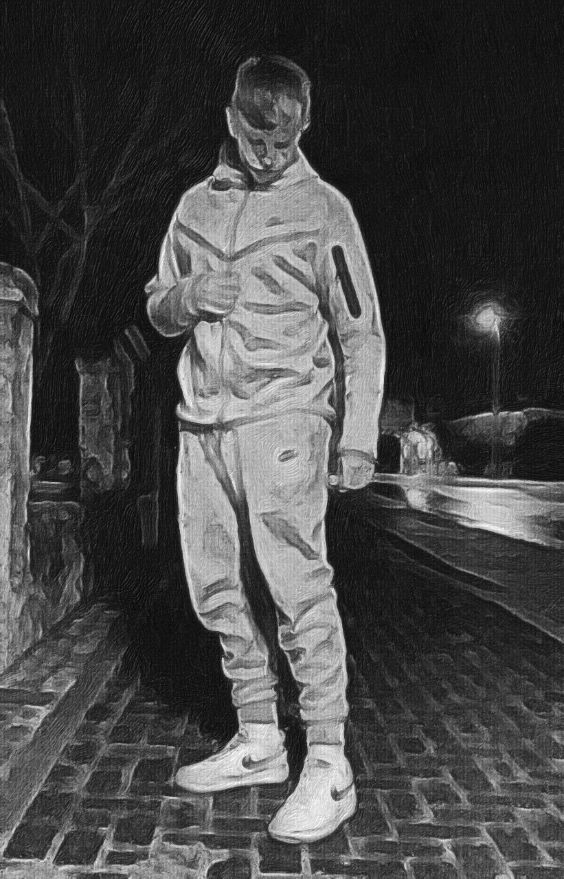
Harry – Charlie Marseille (2026)

Harry Oldham is writing a novel based on his criminal and sordid past. To do so, he has returned to live at Park Hill, where he grew up, and the place that he once left behind. That was then and this is now, in which the old world collides with the new. (Parts 1 to 21 are available to read in the menu)

Perfectly Hard and Glamorous – Part 22

March 1985

If Billy Mason knew everything that happened in Sheffield, then Frank Smith knew even more. That was frightening.

“Now is not the time to pull out.”

“I mean it, Frank,” I said. “We’re done. It doesn’t matter what you say or do. It’s too late.”

We sat around June’s kitchen table with mugs of tea. Frank and June faced us while a lanky CID copper loitered in the doorway. I drummed my fingers on the plastic tablecloth and waited.

Frank picked up a custard cream and nibbled it.

“Alright,” he said. “Billy’s cottoned onto your deviances, but that doesn’t change our arrangement.”

“Except Billy knows we’ve been in contact,” I said. “And it won’t be long before the Rufus Gang know too.”

Frank lit a John Player Special and slid the packet across the table. Paolo had noticed that Frank always smoked when he was thinking. We sat in silence.

June looked sympathetic, but the crease in her forehead told me we weren’t going to like what came next. Paolo bit his lip and rested a nervous hand on my leg.

Frank finally spoke.

“All I ask is that you work tomorrow night. That’s it. After that, it’s over.”

“No,” I said immediately. “We’re not doing it.”

“Well,” he replied calmly, “things might look bleak for you, Harry. Less so for Paolo. Do as I ask and you both walk away.”

He paused.

“But…”

“There’s always a fucking but, Frank.”

“If you refuse, I’ll have no choice but to tell Paolo’s parents.”

“You bastard.”

He shrugged. “It’s not too much to ask.”

Paolo’s hand tightened painfully around my leg. His greatest fear was that his parents would discover the truth about him. Frank knew it.

Blackmail again.

We both understood there was no real choice.

“Just do your stuff and give me the details afterwards,” Frank said. “Names. What they got up to.”

The evidence he’d gathered must have filled a dozen notebooks, yet nothing ever seemed to happen.

“Mind you,” he added with a smirk, “I’m not sure what you’re going to tell the Rufus Gang. Looks like you’ll be going to ground when they come after you. Fuck me, Harry—everyone’s going to have it in for you.”

I already knew that.

“The thing is,” he went on, “the gaffers are starting to lean on me. Especially with this AIDS business kicking off. I hope you’ve both been careful.”

We hadn’t. We’d never even thought about it.

“Oh, my poor loves!” June said softly. “You must be careful. Best you stop now.”

“Fucking queers. Hope it wipes the lot of you out.”

The lanky copper had spoken for the first time.

I’d always assumed my early death would come from a fight or some stupid mistake. AIDS felt distant, unreal—something that happened to other people.

“We have to go,” Frank said, standing.

Paolo spoke quietly.

“Isn’t there something you want to say to us, Frank?”

Frank paused at the door.

“Yeah,” he said. “You’re right. The fucking miners’ strike is over.”

Then he walked out with the other copper.

*****

The waiting’s over, in shock they stare and cue fanfare

The house stood on the edge of the city overlooking the moors. More mansion than house. Flash cars lined the courtyard.

Someone said it had once belonged to a steel magnate. Now it was owned by a man building a retail empire.

Our final gig was going to be the most extravagant yet.

A DJ had set up beneath a row of spotlights. Frankie Goes to Hollywood blasted through the room while beautiful young boys in skimpy shorts carried trays of drinks among the well-heeled guests.

“You might find yourselves a rich sugar daddy tonight.”

Our minder Kenny surveyed the room with amusement. He was built like a tank and clearly capable of handling trouble.

We were taken into an adjoining room where two blond lads were already undressing.

“Are you the Sheffield boys?” one asked.

The rule of Park Hill was not to answer straight away. I simply nodded.

“Mikey,” he said, offering his hand. “This is Joey. We’re Manchester boys.”

It was rare to see lads our age.

I dropped my battered Adidas bag on the sofa.

Paolo wandered over to a silver statuette of a naked boy and examined it closely—his usual trick when he didn’t want to talk to strangers.

“Been doing this long?” Joey asked.

“Too long,” I said. “But this is the last time.”

Mikey and Joey exchanged looks.

“Good luck with that,” Mikey said. “Nobody walks away from Ronnie Rufus.”

We’d heard the stories: ruthless money-making, nobody crossing them.

The DJ burst into the room.

“Hi-energy tonight,” he announced. “Same format, no set list. I’m meant to wind them up until they turn into animals. Fifteen minutes.”

I cracked open the door and peered through.

The room was packed.

Joey stood behind me, watching too.

“See that bloke?” he whispered, pointing to a lonely figure. “Used to be straight.”

“Did he?”

“Apparently, he and his mates tried a Ouija board one night. Next thing he’s a raging homosexual.”

I laughed.

“He reckons a ghost penetrated him and he liked it.”

“Let’s hope the ghost leaves me alone.”

Joey pointed again.

“Recognise the guy in the flowery shirt?”

I shook my head.

“That’s Bobby Blue. TV chat show host. But the rest—professors, teachers, vicars, company bosses, yuppies with too much money.”

I was a council-estate lad. It was strange to think men like this had come to watch four working-class boys behave badly.

Mikey and Joey opened the show.

We watched through the crack in the door as they danced, warming the crowd.

“What are we going to do?” Paolo whispered.

“Nothing else for it,” I said. “We go on like always.”

“And then it’s finished?”

“Yeah. We leave tonight and cut all contact.”

Paolo slipped his arms around me.

“Do you think they’ll leave us alone?”

I already knew the answer.

“No,” I said. “We’ll probably have to disappear for a while.”

Our set was meant to be the centrepiece.

We followed Mikey and Joey onto the floor. Afterwards they’d have time to recover—cigarettes, drinks, a breather—before returning.

We wouldn’t.

Until then we danced.

We touched each other, teased the crowd, played to the music. By the time Evelyn Thomas hit her pounding climax I was inside Paolo, holding back so it looked real.

The real thing came later—for anyone willing to pay twenty quid.

The music stopped abruptly.

“Five minutes each!” the DJ shouted. “Hand your money to the little chicken and form a queue.”

The lights dropped. Music roared back.

Spotlights fixed on us.

For a moment nobody moved.

Then one man stepped forward and handed over a twenty-pound note.

Others followed.

After that everything dissolved.

Hands dragged me in every direction. Bodies pressed against me. I was twisted, pinned, shoved onto a table.

Pain spread through my back and legs.

Across the room I saw the others struggling too. Paolo was taking the worst of it. His slim frame was no match for the men pulling at him. Tears streamed down his face.

Then something cracked across my back.

A whip.

Pain exploded through me.

Again.

Cheers from the crowd.

Again—across my back, then my arse.

Kenny shouted for them to stop, trying to pull people away.

Too late.

The room spun.

I saw Paolo—wide-eyed, terrified—shouting my name.

Then blue lights flashed through the windows.

Sirens screamed closer.

And everything went black.

*****

Because these stardust memories fail to please

“He needs to go to hospital,” the ambulance man said.

I came round inside the ambulance.

“Nah,” said the lanky copper from June’s house. “He’s coming with us.”

“But he needs treatment.”

The copper ignored him.

“Where’s Frank?” I asked.

“Two weeks in Torremolinos.”

Of course he was.

The copper—who said his name was Ian—threw my clothes at me.

“Get dressed.”

The ambulance man handed me water.

“Where are we going?” I asked.

“Back to the nick.”

“And Paolo?”

“Locked up with the rest.”

Frank had sold us out. The moment he realised we were quitting; he’d arranged the raid.

Once dressed, I was handcuffed and pushed into a police car.

At the station the custody sergeant looked up.

“And Harry’s here for what reason?”

Ian recited the charges.

“Contravening the Sexual Offences Act 1956. Gross indecency. Public decency offences. Age of consent violations. Assault occasioning actual bodily harm. Living on the earnings of prostitution.”

The sergeant raised his eyebrows.

“Cell two.”

Ian dragged me down the corridor and kicked me hard before throwing me inside.

That was when I knew I’d reached the bottom.

My body hurt, but the shame hurt more.

I had probably lost my friends, my family, and any future I thought I had.

And prison still waited.

The cell held a wooden platform and a filthy toilet.

A blanket was tossed in before the door slammed shut.

The hatch opened seconds later. Ian looked in.

“You lot fucking disgust me.”

Then it slammed shut again.

I hardly slept.

The next morning, I was taken to the Magistrates’ Court, where a duty solicitor listened as I told him everything.

“You must plead not guilty,” he said. “When this goes to Crown Court we’ll argue entrapment. A good barrister will try to shame the police.”

He paused.

“But I must warn you—cases involving homosexuals aren’t going well now. There’s mass hysteria about AIDS.”

I noticed he had called me a homosexual.

I followed his advice and was released on police bail.

Walking hurt. I considered a taxi until I remembered my money had been in the bag left behind the night before.

The police station was miles out of town.

So, I walked home.

It took two hours.

But a Heaviness Lingers in his Limbs

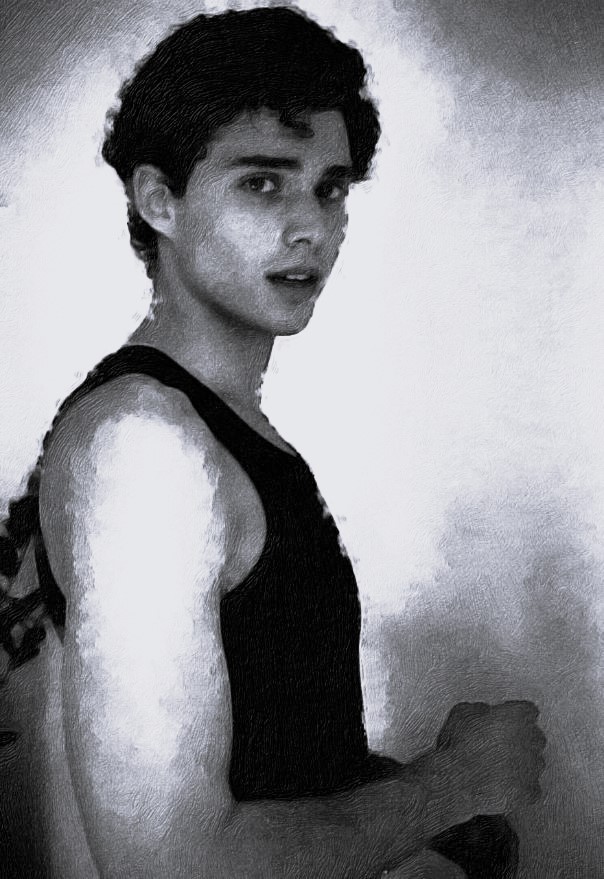
Paolo – Charlie Marseille (2026)

Harry Oldham is writing a novel based on his criminal and sordid past. To do so, he has returned to live at Park Hill, where he grew up, and the place that he once left behind. That was then and this is now, in which the old world collides with the new. (Parts 1 to 20 are available to read in the menu)

Perfectly Hard and Glamorous – Part 21

March 1985

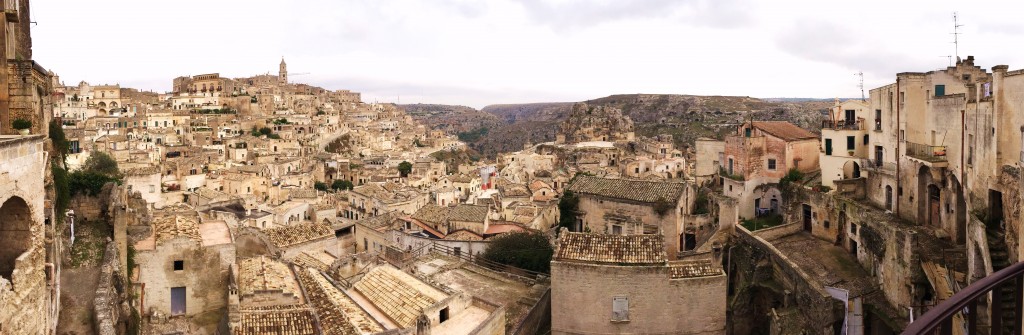
Ice cream was the reason that Paolo came to Sheffield. He was born at Montescaglioso in the Province of Matera; his father from an ice-cream making family and his mother the only daughter of a farmer. Like a lot of Italian families, they believed that opportunities existed elsewhere. His father, Giovanni, decided that Sheffield might be the best place but perhaps hadn’t realised that the city already had generations of Italian ice-cream sellers. Paolo was two years old when the family settled in England. Being around Italian parents meant that he still had his native accent.

“I wasn’t sure when it was that I realised I preferred boys to girls,” Paolo told me. “But one thing was certain and that was that I must never tell my mother and father. If news ever got back to Italy, then I would become an outcast. Gay boys and Catholicism are frowned upon even though they are known for practising in secret” 

We were taking advantage that his parents had returned to Montescaglioso for a holiday. Paolo had wanted me to stay with him for the two week duration and I had been only too willing. We were in his narrow bed facing the crucifix that hung by a nail on the wall. His sheets were crisp and clean and smelt of lavender that showed that his mother took her household chores seriously. Better than my own mother did. We were both naked; Paolo faced the door as though somebody might walk in; I pressed up against his glowing body and licked the tiny black curls on his neck. His body throbbed with pleasure.

“I suppose that we’re both in a similar position,” I suggested. “Can you imagine how people would react if they found out that I was a bum bandit?”

“And a good one at that,” he moaned. “We do what we love.”

The situation was irrational. We had somehow managed to separate our nightly debaucheries from the moments when we were alone together. Our employment with the Rufus Gang meant that I was expected to deflower Paolo in front of an audience almost every night. Hordes of lecherous men cheered as we went through the motions. But these exhibitions had become mechanical, devoid of feeling. Our love was not something meant to be shared with strangers. Our resentment for the crowd only deepened when they demanded to do the same to each of us in turn.

Everything changed when we were alone. Then we could show our love as it was meant to be. But such opportunities were rare. We both still lived at home, and the chance to share a bed was frustratingly uncommon. Most of the time we met in a secluded corner of the park, sitting close together until darkness fell. Once night came, we could never seem to get enough of each other.

“It was always you that I wanted,” Paolo said.

“You only liked the idea of a bad boy,” I replied. “Someone who was always getting into trouble. Someone you thought you’d never stand a chance of having.”

“But I did, didn’t I?”

“Yeah,” I said. “You did. In the end.”

“When did you realise that you loved me?”

I thought about the conversation at June’s kitchen table. 

“It was the moment that June told me that I had fallen in love. Before that I’d resisted any suggestion and thought that I liked girls because they all seemed to fall in love with me. Not Andy. Not Jack. Always me. But I was bored with it all. The thought of sex bored me. But then something strange happened. And then I remembered the time when Frank Smith made us kiss each other on that bench. Something snapped that night. I’d kissed a guy and something inside me stirred. I didn’t know what it was and struggled to understand it.”

Paolo turned and kissed me on the lips.

“Any regrets?”

“What do you think?”

“Ah, that is a good answer. You are my man, Harry.”

I squeezed him hard. 

“I’ve been thinking,” he said. “Maybe we should go on holiday. I’d like to take you to my hometown in Italy.”

The suggestion caught me off guard.

“Is that a good idea?”

“Why not? We’ve made plenty of money. We should spend some of it. Go somewhere we don’t have to keep looking over our shoulders. And you’ll like Italy.”

“I’m not sure,” I said. “Where would we stay? What would your family think?”

“We could book a hotel.”

Even so, I had my reservations. The farthest I’d ever travelled was Ingoldmells with the boys, and that had ended badly: a fight with a group of lads from Nottingham and a night in a Lincolnshire police cell. The thought of going abroad unnerved me. There was also the small matter that I didn’t have a passport.

But what would you tell your parents?” I asked. 

“Harry, we need to get away and spend some time on our own.”

Another problem occurred to me then. What would I tell Andy and Jack? We’d always done everything together. If they heard I was going on holiday, they’d expect to come along. And I couldn’t tell them I was travelling with Paolo.

As far as they were concerned, Paolo didn’t exist.

The thought hung between us like an elephant in the room.

“I’ll think about it,” I told him, before leaning over and licking his ear.

*****

For weeks afterwards I wrestled with the problem. I knew that, sooner or later, the day of reckoning would come. I just hadn’t expected it to arrive the way it did.

We were playing pool at Penny Black. I was lining up a shot when I saw Billy Mason walk in with something tucked under his arm.

“Fuck,” I muttered.

I fluffed the shot and passed the cue to Jack.

“Don’t look now, boys,” I said quietly, “but look who’s just walked in.”

They both turned immediately.

“Who the fuck are we looking at?” Andy asked.

Then it dawned on me: they only knew Billy Mason by reputation, not by sight.

“I think we should leave,” I said.

Andy set his pint down on the edge of the pool table.

“We’re not going anywhere.”

Jack sank his shot and wandered over to sit down, but I was already planning a hasty exit. Billy seemed to know half the people in the place and spent a few minutes chatting to them. I hoped he hadn’t noticed us.

Then, the next minute, he came walking over—smiling, easy, friendly.

In our world, when a man walked up like that, you braced yourself for the worst.

Andy rolled his shoulders and clenched his fists. Jack got to his feet and began prowling around the table. I tightened my grip on the cue—something that could pass for a weapon if it came to it.

Three against one. Easy.

Except that every other cunt in the place would be on Billy’s side.

“Boys, boys, boys,” he said lightly. “Easy on it.”

Billy gave me a quick nod, but I didn’t return it.

“Harry,” he laughed. “Aren’t you going to introduce me to your friends?”

I said nothing.

“Let me guess,” he went on. “This must be Andy and Jack. I’ve heard plenty about you both, though we haven’t had the pleasure.”

“Who the fuck are you?” Jack asked.

“Billy Mason,” he said. “I thought Harry might have mentioned that he and I recently became acquainted.”

Andy and Jack turned to look at me, puzzled.

“I did a nice little number on him a few weeks ago,” Billy added cheerfully. “Call it payback for the trouble you lads caused my girl.”

Andy seemed to grow an inch or two and stepped forward.

“Don’t try anything,” Billy warned calmly. “There are men in here. Not boys who only think they are.”

“Get the fuck out of our faces,” Andy snapped. His expression was dark—partly because Billy Mason and his lot could wreck us if they wanted to, and partly, perhaps, because there were things I hadn’t told him.

Billy only smiled.

“I’m sure you know I’m a big man in Sheffield,” he said. “I don’t take kindly to people messing with me.”

“That robbery was ages ago,” Jack said.

Billy’s smile faded.

“Oh yes,” he said quietly. “It was. But in my line of work, it pays to remember the people who’ve caused you trouble.” He paused, then shrugged. “Still, I’m not here to settle old scores. Far from it. Let bygones be bygones.”

I’d been so caught up in the moment that I hadn’t noticed what he’d been carrying under his arm. Then he dropped my black Adidas bag onto the table.

“I’m only returning lost property,” he said casually. “I believe this belongs to you, Harry.”

I froze.

“Shall we check that nothing’s missing?”

I lunged for it, but Billy was quicker.

“Oh no,” he said brightly. “I insist we make sure.”

Before I could stop him, he tipped the bag over and began emptying the contents across the table. When he’d finished, he held it upside down to show it was empty, then let it fall to the floor.

My mind was racing. Everything was spread out in front of us. I thought about walking away, but I knew that would only raise more questions.

Andy and Jack edged closer to Billy, though not in any threatening way. They were too busy staring at what lay on the table.

Several tubes of KY jelly—some half used, some still sealed. Two bottles of baby oil. A couple of pairs of clean boxer shorts, and one dirty pair. A grubby T-shirt. A small bottle of poppers.

And a cock ring.

Billy looked straight at me.

“What a curious collection, Harry.”

Now it was Andy and Jack’s turn to look at me. Neither of them spoke. Andy frowned, his brow creasing with confusion. Jack held my gaze for a few seconds, then looked down at the floor.

Billy looked smug.

“Isn’t it funny,” he said to the others, “the things we don’t know about our friends? If I didn’t know better, I might think these belonged to someone who’s a bit of a woofter.”

“Fuck you, Billy,” I shot back. “You’ve planted those to make me look bad. I swear I’ll get my own back.”

It sounded plausible enough, and I thought I might salvage something from the wreckage.

“Yeah, that’s right,” Andy said quickly. “You’d do anything to settle a score. Harry’s not a bum-bandit. Not even close. I suggest you piss off now, because you’re starting to get on my nerves.”

He picked up his pint, drained it in one go, then held the empty glass loosely in his hand.

“Leave,” Jack said, taking the cue from me. He gripped it by the thin end, ready to swing.

“Thought you might say that,” said Billy calmly. “But before I go, there’s something else you ought to know.”

I fixed him with a stare, daring him to say another word.

“You see,” he continued, “there are other things you don’t know about Harry. Me? I know everything. I’ve got eyes and ears everywhere.”

“Go on then,” Andy said.

“Well, for starters, Harry’s in cahoots with a copper. Lucky for you, really. Thanks to him you only got a slap on the wrist for that robbery.”

“And?”

Billy smiled.

“The next bit’s a little delicate, isn’t it, Harry? I’m guessing he hasn’t told you what he gets up to in other people’s houses.” He blew me a kiss. “Handsome Harry’s quite the favourite with the blokes.”

He gestured lazily at the things spread across the table.

“And I suppose all this rather proves the point, doesn’t it?”

Andy and Jack said nothing.

“You’re a fat bastard, Billy,” I said.

By then I didn’t care if he beat the shit out of me. He’d already done enough damage. Getting knocked unconscious almost seemed like the better option. All I could think was: why me?

“I’ll be off then, boys.”

Billy turned as if to leave, then paused.

“Oh—nearly forgot. How’s your Italian boyfriend, Harry?”

Andy smashed the empty glass down on the pool table.

“So long, fellas,” Billy called over his shoulder. “And watch your arses while Harry’s around.”

*****

My head was resting in Paolo’s lap, the tip of his cock pressing against the side of my neck. He stroked my hair gently, his delicate fingers tracing the old scars that ran across my face.

“Andy and Jack went to the bar and bought themselves drinks. Not for me.

“While they sat there staring, I gathered everything from the table and stuffed it back into the bag. That was the worst part of it all—the silence. Not one fucking word.

“In the end I left them sitting in the Penny Black and came straight here.”

“Povero ragazzo mio,” he murmured softly. “Ti amo.”

I didn’t understand but it had a soothing effect.

I’d disturbed Paolo on one of the few nights that we weren’t working. The Golden Girls played out in front of us. He’d turned the sound down low. He drank strong coffee from a tiny cup and offered me some. It tasted vile but I wasn’t Italian.

“I’m finished, Paolo. I’ll never be able to show my face again and I’ve probably lost my two best friends.”

He made shushing sounds.

“And now it’s got to stop.”

“What do you mean?” Paolo asked with concern.

“I’m going to tell Frank that we’re not doing it anymore. That shit has cost me everything.”

“But if we hadn’t done so, we would never have met.”

“There is that, but we have each other now. Honestly, Paolo, we’re in serious shit and we need to get out. We can go and live in Italy. We’ll get jobs. We’ll build new lives.”

Paolo didn’t respond. He was probably thinking the same as I was. It was never going to happen. But I had to think of somewhere that was as far away as possible.

The telephone rang.

Paolo got up to answer it. 

“Pronto.” It appeared that anybody who rang here was going to be Italian. But then Paolo started speaking in English. “When? Where? I shall tell him. Arrivederci.”

“It was Frank,” he said. “He is looking for you and wants us to go to June’s house.”

The David Problem: Notes from a Life


An Afternoon at Kennington

F Scott Fitzgerald often used seasonal change to reflect the emotional trajectory of his characters. In The Great Gatsby, the narrative opens in the optimism of spring, reaches its fevered climax on the “hottest day” of summer, and concludes amid the quiet decay of early autumn. A similar pattern might be observed in David’s work. It has been noted that in almost all his books he refers to a particular season in the opening paragraph—yet, once established, the season is never mentioned again.

He pondered this as he walked through Kennington Park with Joshua. He was trying to compose the opening paragraph of a new book yet found himself unable to begin without invoking spring. The task was made more difficult by Joshua, who insisted on talking without pause.

Joshua waved a hand across the grass toward the flowerbeds, where the first signs of growth were beginning to appear.

Spring again.

“Freddie told me a weird thing. He was walking through the park and saw Bob Marley playing football with some guys from the Rasta Temple.” Joshua waited for a reaction, but David was still wrestling with the seasons and didn’t respond. “Are you listening to me?”

“Don’t you think it’s strange that Freddie was at this spot when he saw Bob Marley playing football?”

“That would have been impossible because Bob Marley died in 1981, and what year was Freddie born in?” 

Joshua had been prepared for this and guessed that Freddie was a millennial child. “That’s why the story is so spooky, but he swears that it was Bob Marley playing football, and that he waved to him.”

David had long decided that Freddie was kooky.

“I’ve told you before,” Joshua continued. “Freddie is a ‘ghost whisperer’ and sees things that we can’t.” 

“Like the ghost of Bob Marley?”

“Well Freddie did research and discovered that Bob Marley used to stay at house in St. Agnes Place and that he was photographed playing football here.”

David did not believe in the afterlife and regretted that Joshua seemed so easily taken in by it all. He was reminded of the time Freddie had visited Cleaver Square and claimed it was haunted by a man—someone who had murdered his female partner, a widow who made her living selling greengroceries.

“I can’t believe you can’t smell the cauliflowers,” Freddie had shouted.

Not long afterwards, while researching for a book, David came across a newspaper article from the 1960s that described Cleaver Square as “a square for the dead.”

“Freddie talks bullshit,” David sighed. Yet he could recall once seeing a photograph of Bob Marley playing football.

“There was that time we were walking along Kennington Lane,” Joshua went on, “and Freddie said he could see a man playing a barrel organ. I couldn’t see anything. But Freddie described two barefoot boys running out of a nearby house to collect pennies from passers-by. The man shouted, ‘’Ere you two—hop it!’ Do you know who he said one of the boys was?”

“I’ve no idea.”

“Charlie Chaplin—as a boy.”

David was not persuaded.

“How interesting.”

“And another time we were outside the Tankard and Freddie said he saw Charlie Chaplin peering in at the men from the vaudeville—dressed in chequered suits and bowler hats.”

David knew well enough that Chaplin had grown up around here. It had once inspired him to begin a short story about the time Chaplin destroyed an entire film rather than pay taxes on it. The incident was true enough, but the manuscript had never been finished and was still languishing somewhere.

Joshua had no idea, but David had once slept with Freddie. It had happened at a New Year’s Eve party near Elephant & Castle, when David had been in his forties and Freddie an irritating little twink. As the years passed, he had only grown more annoying—though also better looking. Now that David was in his sixties, he occasionally toyed with the idea of feigning an interest in the paranormal in the faint hope that past conquests might somehow be revived. But he had been with Joshua for eighteen years, and the thought of the “ghost twink” was quickly put out of his mind.

David sat down on a park bench.

“This is where Gay Pride began,” he said. “It was 1986. I was twenty-two and not brave enough. I came a few years later, when there was a big demonstration for gay rights. Thousands turned up. I remember Ian McKellen urging everyone to be open about their sexuality—to come out. I also recall Sandie Shaw singing.”

“Sandie who?”

David had forgotten that Joshua was still in his thirties, and the generation gap seemed to widen the older he grew. These days, while Joshua championed the big gay events, David preferred to avoid them. The crowds and the screaming queens were banished. The last time Pride had come around, he had spent the day rereading Edmund White’s A Boy’s Own Story instead. It had been the first gay book he had ever read, and he had kept it hidden beneath his mattress in case his mother found it.

Later, at the White Bear Theatre bar, David sipped a white rum and tonic. It was about all he could drink since being diagnosed with Type 2 diabetes—the small indignities of growing old, though it seemed these days that everyone was diabetic. Joshua, meanwhile, drank a pint of Madri, blissfully unaware of the perils that lay ahead in later life.

“I once saw a play in the theatre behind here,” David said. “I can’t remember what it was called, but it had something to do with a ring that had belonged to Leonardo da Vinci. It passed through a group of frequently naked gay men in America at the end of the twentieth century. My straight friend went to the bar during the interval, and someone asked him, ‘You watching the football?’ It turned out a match was being screened in the pub.

“‘Nah,’ he said. ‘I’m watching the queer play out the back. Mind you, I probably won’t stay if there are any more cocks showing.’

“That was it—that was the title: Leonardo’s Ring. Which said it all.”

Joshua had wanted to take David to see a Henry Moore sculpture on the Brandon Estate, but the older man had dismissed the idea.

“If there are two artists I hate most, it’s Henry Moore… and Barbara Hepworth. The whole world seems obsessed with Barbara fucking Hepworth.”

Afterwards David felt a twinge of guilt, because Joshua was also an artist. These days everyone seemed to be a fucking artist. Joshua made contemporary work too—it was his passion—but to David it often appeared absurd. Of course, he would never say so and accepted that the pieces had to be displayed around the apartment.

Joshua had also begun attracting the attention of collectors. Works that once sold for a few pounds now fetched thousands. Occasionally it crossed David’s mind that one day Joshua might become more famous than he was—and under his own name. David, despite being a well-known writer, had always published under a nom de plume.

“I would have liked to have been young and gay in the eighties,” Joshua said.

“Are you kidding?”

“But it was so pioneering—gay rights, marches for equality. Groundbreaking stuff.”

“And it was also miserable. There was nowhere to go. Queer bashing. Cottaging. Rent boys in dirty bedsits. Plucking up the courage to buy a copy of Gay Times at the newsagents. And, of course, AIDS.”

That generational divide again. Joshua had never lived in a society more backward than the one he knew now. In fact, David believed things were infinitely better. He had grown weary of people who complained endlessly about discrimination, forgetting how bleak the past had often been.

“There’s something else you should consider,” David added. “If you had been young and gay in the eighties, then now you’d be old and gay in the ‘roaring’ twenties.”

When the Past Came Back as Tom

Harry Oldham is writing a novel based on his criminal and sordid past. To do so, he has returned to live at Park Hill, where he grew up, and the place that he once left behind. That was then and this is now, in which the old world collides with the new. (Parts 1 to 19 are available to read in the menu)

Perfectly Hard and Glamorous – Part 20

March 2025
Do you ever look at someone and feel certain they remind you of somebody else? The maddening part is not knowing who.

It happened to me last night.

Tom was sprawled on the sofa watching South Park — a show which, until then, I had probably been the only person on the planet never to see. He lay there like he owned the place, which in a way he now did. He hadn’t officially moved in, but he’d managed it in that quiet, stealthy way that gave me no real moment to object.

He wore nothing but a T-shirt and a pair of black football shorts. His head rested in the cushions while one smooth leg hooked lazily over the back of the sofa so that his bare foot dangled in the air.

I had seen that posture before.

Somewhere.
Somehow.

I tried to place it, but nothing came.

“Why are you staring at me, Harry?”

“I’m not,” I lied.

There’s something you should know about Tom, though it probably won’t surprise you.

Shortly after Christmas he’d been arrested for dealing drugs. He spent his weekends drifting around the city-centre clubs selling small bags of cocaine and making what he called “decent money.” One night a CCTV camera caught him in the act and within minutes he was surrounded by police.

Unluckily for him it had been a quiet night. When they searched him they found quite a stash hidden in his underwear. After they relieved him of it, he spent the night in a cell and was told to expect a court summons.

According to Tom, he was only the middleman — which, as it turned out, made matters worse. The man above him was furious about the lost merchandise and decided Tom owed him for it. Before long there was a price on his head.

Not for the first time, Tom had shown up on my doorstep covered in blood.

That was when I discovered how deep his troubles really ran. Two men with baseball bats had beaten him black and blue and informed him that his services were no longer required.

That night Tom told me almost everything.

He said he couldn’t go home to Hillsborough — too many questions, too many explanations. Instead he took a long shower, wrapped himself in a towel, and eventually curled up in his usual place on the sofa.

Since then he’d only ventured outside during the day. Evenings were spent stretched out in front of the television.

So far I hadn’t objected.

I never gave him a hard time about it either. My own past had been far murkier than Tom’s, and I hoped that maybe the experience had taught him something.

If it had, good.
If not, I wasn’t exactly the man to lecture him.

I knew how he must have felt.

The memory came back suddenly — a night nearly forty years earlier.

I hadn’t thought about Billy Mason from Gleadless Valley in decades, but he evidently hadn’t forgotten me.

A few years before that night, the Geisha Boys had robbed cigarettes from an off-licence where Billy’s girlfriend worked. She’d been hurt in the scuffle while Andy and Jack had been arrested. Word eventually got back to Billy about who’d been involved.

Frank Smith — an unruly police sergeant who occasionally did us favours — managed to have the charges dropped. He warned Billy Mason to leave it alone.

But I still remembered Frank’s words.

“The trouble is,” he’d said, “I can’t trust him.”

Billy Mason was the hardest case in the Valley. I normally stayed well clear of the place, but on that particular night I’d been sent there to entertain someone in a maisonette.

No Paolo this time.

It was a comedown after some of the houses I’d visited. No Jaguars or Mercedes outside. Just battered Vauxhall Cavaliers and old Ford Escorts.

But by then the Rufus Gang controlled the city’s rent boys, and when they told you where to go, you went. There was no negotiating.

Before heading up there I called into the John O’Gaunt for a pint.

A stupid mistake, as it turned out.

I hadn’t realised it was Billy Mason’s local.

He spotted me at the bar and followed when I left. I wasn’t exactly sure where I was going and took a shortcut behind some garages.

Another mistake.

Ironically, the only man never actually implicated in the robbery was the one Billy chose to punish.

He smashed a bottle over my head.

While I lay on the ground he kicked and stamped on me until I cried out.

“Don’t let anyone say Billy Mason holds a grudge,” he told me. “That’s wrong. I just hurt them instead.”

Then he left me grovelling in the mud and nicked my bag — several tubes of KY jelly and a spare change of clothes inside.

My head was split open and everything hurt.

I never made it to the maisonette. I staggered miles back home instead.

And if meeting Billy Mason had been an ordeal, the aftermath was nearly worse.

The Rufus Gang were not impressed that I’d failed to turn up. They made their feelings known with another beating and a warning not to cross them again.

“I guess we’ve lived parallel lives,” I said to Tom.

He lay there in the half-light, his body half hidden in shadow.

And then it hit me.

Hard.

Harder than I could have imagined.

“Tell me about yourself, Tom.”

“I’ve told you. There’s nothing to tell.”

“Tell me about your family.”

“What?” He sat up quickly. His face went pale.

Game over.

“What’s this really been about?”

“I don’t know what you mean,” he muttered.

Memories flashed in my head. Old anger. Old violence.

I grabbed him by the throat and shoved him back against the sofa.

He tried to push me away but I was stronger. I pinned him down, my knee digging into his groin.

I wanted to hurt him.

I tightened my grip as he gasped for breath.

“I’ve been so fucking stupid!”

His blue eyes filled with tears. That was confirmation enough.

Just before he lost consciousness I released him.

Instead of fighting back he collapsed into sobs, choking for air, snot running down his nose as he tried to breathe.

I stood over him.

“Tell me who your dad is.”

He couldn’t answer at first. He just curled away, crying. I doubted the tough little bastard had cried in front of anyone before.

Eventually I sat in the chair opposite and waited.

“I’m sorry, Harry,” he whimpered.

“Jack will eat no fat, and Harry no lean. Yet between them both Harry licks Jack’s ass clean.”

I watched him closely.

“Why didn’t you tell me your dad was Jack?”

Tom stared at his feet, fiddling with his toes — something he always did when he was nervous.

“Jack’s the same age as me,” I continued quietly. “Which means he had you late.”

Tom nodded.

“I’m the youngest,” he said. “Got a brother and two sisters.”

I shook my head.

“I’m struggling to understand this. Why all the cloak-and-dagger stuff?”

“My dad knew you were back in Sheffield. He wanted to know why.”

“Why didn’t he ask me himself?”

Tom shrugged helplessly.

“You’ll have to ask him that.”

“And it wasn’t an accident you ended up here?”

“No.”

“Was it planned?”

He nodded again.

“He wanted me to get to know you.”

I laughed bitterly.

“And I fell for it.”

“But why now?” I asked. “We haven’t seen each other in forty years.”

“A few years ago my dad showed me your books,” Tom said. “That’s how I knew who you were. He’d read them all. Said he used to know you, but whenever I asked how he’d change the subject.”

Jack reading books? I struggled to imagine it.

“Did he tell you why I left Sheffield?”

“No. Just that the Geisha Boys turned their backs on you.”

I sighed.

“When I needed my friends most, they fucked me off,” I said simply.

Tom studied the floor before speaking again.

“There’s something else you don’t know. My dad missed you more than you think. Maybe it was guilt. I don’t know.”

“Bollocks,” I said.

“I’m serious. He wanted me to find out if you were okay.”

I lit a cigarette and handed him one. His hands shook as he tried to light it.

“I told him you were doing well,” Tom continued. “That you were writing about the past.”

“And?”

“He looked… sad.”

That caught me off guard.

“I loved your dad,” I admitted quietly. “I loved Andy too. But Jack more.”

Tom listened without interrupting.

“He had everything going for him. Handsome. Charismatic. Brilliant footballer. I even dated his sister for a while just to stay close to him.”

Tom raised an eyebrow.

“So you fancied him?”

“Yes,” I said. “Though I didn’t understand it at the time. Things were different back then.”

We talked until the early hours.

For me it felt like a revelation. For Tom it was a relief not to lie anymore.

Eventually he settled back onto the sofa while I went to bed, though sleep refused to come.


Too many thoughts.

Too many memories.

Some time later the bedroom door creaked open and Tom slipped in beside me.

I turned away.

“Are you still mad at me?” he asked quietly.

“I don’t know,” I said. “But I’m glad the truth’s out.”

After a pause I added:

“Your job was done months ago. Yet you’re still here. Doesn’t Jack find it strange you’re never home?”

Tom hesitated.

“I told him I was staying with my girlfriend.”

“The mysterious girlfriend.”

“Yeah… about that.”

“You haven’t been staying with her, have you?”

“No.”

“Why keep coming here?”

He took a long breath.

“There never was a girlfriend, Harry. But you probably guessed that.”

I didn’t answer.

“I kept coming back because I felt safe here,” he said. “And… I liked being around you. After a while it just felt normal.”

I could hear the nervousness in his voice.

“I guess I hoped it could stay like this.”

I sighed.

“When I came back to Sheffield I wanted peace and quiet,” I said. “But I’ve enjoyed having you around.”

Tom shifted closer.

“I really need a hug right now,” he murmured.

I turned and wrapped an arm around him.

He pressed into my shoulder, warm and solid, his breath brushing my cheek.

For a moment he felt like Jack.

But he wasn’t Jack.

He was his son.

And the feeling was both wonderful and deeply wrong.

“There’s something else,” Tom said after a moment.

“Go on.”

He groaned softly.

“God, this is awkward.”

“Spit it out.”

He took another breath.

“I think… I sort of fell in love with you.”

I laughed quietly.

“So what you’re saying is you’re a faggot after all.”

Tom snorted.

“Oi. I’m supposed to be the one calling you that.”

“That’s how it works,” I replied. “Takes one to know one.”

That was all it took.

We fell asleep wrapped around each other, waking every now and then just to confirm it wasn’t a dream.

For me it felt like something I’d wanted for years without realising.

For Tom it was the beginning of his first real love affair.

When morning came I discovered I couldn’t move because his arm was wrapped firmly around me.

I tried to shift.

He held tighter.

“Tom,” I said.

“Mmm?”

“Let go.”

“Where are you going?”

“I need to get up.”

“Stay a bit longer,” he mumbled, kissing my cheek.

“I have to write.”

“Write what?”

“The rest of my book.”

He opened one eye.

“And when it’s finished?”

“I want you to read it,” I said.

“Why me?”

“Because the ending matters.”

I looked at him carefully.

“Only when you read the ending will you understand everything.”

The Better Boy Problem


Pepperoni Passion.
BBQ Chicken Bliss.

“I don’t get you,” said the boy behind the counter. “You’ve already got a great boyfriend.”

“But there’s always someone better.”

He looked at me.

“Is there? From where I’m standing, this new guy’s a loser.”

Pause.

“You’re the only one who thinks he isn’t.”

Hot Honey Dough Balls?

The Apprehension is for the Possibility

Apprehension – Charlie Marseille (2026)

I have a feeling that something bad might happen. It makes me nervous. Like when you want to have a shit but you’re worried because the drains keep backing up.

Short Story: What the Crowd Cannot Have


The first time Brodie and Archie met was not under the best of circumstances.

It was a Friday afternoon beneath the Miller Theatre on West 51st Street. Brodie – hi-viz vest zipped to the throat – stood amid abandoned scaffolding, photographing stress fractures in the concrete. The air was dense with dust, old and mineral, as though the building itself were exhaling.

A figure emerged at the far end of the tunnel and walked towards him.

Brodie lowered the camera. He waited until the young man was close enough to see properly, then snapped, “What are you doing here? This is a restricted area. Turn around and go back the way you came.”

“I’m sorry,” the young man said. He spoke with an English accent, careful, almost courteous. “I didn’t realise. What was this tunnel used for?”

“The other side of that wall is backstage,” Brodie replied. “Probably for actors crossing beneath the stage. But there’s no time for questions. It’s unsafe down here. The roof could come down at any moment.”

It was an exaggeration. But saying it gave him a small, illicit thrill – authority borrowed from the place.

The young man hesitated. He had floppy brown hair, eyes dark and inquisitive despite the rebuke. “What are you doing?”

“I’m inspecting the structure,” Brodie said. “Everything looks glitzy up there. Down here it’s rot and age.” He paused. “You still haven’t explained why you’re trespassing.”

“I was just exploring.”

“Explore somewhere else.”

The young man’s shoulders dropped. As he turned, he fumbled the folder under his arm; papers spilled across the dusty floor.

“Shit – sorry. My script.”

Something softened in Brodie then, too late to retract the sharpness he’d already spent.


The second time they met was in the staffroom.

Brodie was entering notes on his laptop when the door burst open and a tide of people flooded in, loud with laughter, trailing the smell of coffee and citrus wipes. Lunch packs appeared: protein bars, yogurt, hummus, cut vegetables. Actors, Brodie thought, irritated beyond reason.

Michael wanted renovation proposals by Monday. Concentration felt impossible.

Then he saw him – the boy from the tunnel – laughing with the others, sleeves pushed up, script tucked under his arm as if it were a talisman.

Of course.

On their way out, the young man stopped at Brodie’s table. “I’m Archie,” he said, holding out his hand. His eyes lingered, dark and unguarded. “I think we got off on the wrong foot.”

Brodie hesitated, then took it. The contact was brief, oddly charged. “I’m Brodie. Forget about it. Just – stay out of the tunnel.”

Archie smiled, chastened and amused all at once.


After that, Brodie thought about him more than he liked to admit.

He knew he could be abrupt, inflated by his own sense of usefulness. Actors irritated him on principle. But Archie – English, polite, quietly intense – had unsettled him.

Late one night, Brodie searched the Playbill bios. Archie was a rising star: television work, the National Theatre, lead roles in the West End, now a Broadway debut.

Impressive.

What Brodie didn’t know was that Archie had been searching too. He’d asked about the surveys, about the renovation. He found the company. He found Brodie’s photograph.

Hazel eyes. Skin warm-toned, as if lit from inside. A face shaped by movement rather than posing.

Tasty, Archie thought, surprised by his own boldness.


Two years later.

Archie slipped out of the Walter Kerr Theatre the moment the curtain fell on Chatterton. No shower. No linger. Wool coat, beanie, scarf pulled high. He moved fast, before the autograph hunters gathered.

Outside, Broadway surged and glittered – yellow cabs, steam vents, neon, voices colliding. It still thrilled him. It always did. A world away from Buckinghamshire.

At the apartment, Brodie checked the clock: 10:30. Any minute now.

The flowers were arranged just so. Archie liked flowers. Brodie liked that Archie liked them.

When the door opened, relief moved through him like a current.

Tea was requested. Always tea. Archie shed the night – coat, scarf, public self – and collapsed onto the sofa. He spoke about the show, about the line he’d missed. Brodie stroked his hair, grounding him.

Later, Fleet Foxes floated from the bathroom. Steam curled beneath the door.

Brodie knew the routine by heart. He would collect the clothes, note the forgotten boxers, breathe in the faint, intimate salt of them – something human beneath the polish. It embarrassed him how much that scent moved him.

Archie emerged clean and fragrant: Le Labo, Dior and mint. Blue silk pyjamas. He smiled like someone stepping into safety.

They ate together. They watched television under the blanket Archie’s grandmother had made. Archie pressed close, smaller than he seemed onstage, all softness and thoughtfulness and unspoken worry.

Sometimes Brodie felt the weight of what he was not allowed to be – unseen, untagged, absent from photographs. Invisible by design. But here, in this private room, their bodies fit without explanation. The most erotic moments were those that could not be shared publicly.

Brodie was Archie’s shelter. Archie was Brodie’s undoing.

Brodie had watched hundreds of videos of Archie on YouTube, moments in which he appeared entirely at ease – charming interviewers, holding eye contact, listening with an attentiveness that felt generous rather than rehearsed. 

His answers were always articulate, delivered with that unmistakable smile. But Brodie could see what others missed. 

The exposure beneath the polish. The small betrayals of nerves: the way Archie’s smile lingered a fraction too long; the absent-minded stroking of his own arm as he spoke; the slow, circular massaging of each finger; the hand lifting to his hair, not to adjust it, but to reassure himself it was still there. 

These gestures were invisible to the audience, but to Brodie they were intimate, almost confessional – proof that the confidence was something Archie stepped into, not something he owned.

Thomas Chatterton had been an ideal role for Archie. The eighteenth-century poet – celebrated as the marvellous boy for his precocious brilliance and dead at seventeen – had been reimagined as the subject of a hugely successful Broadway musical. 

In his twenties, Archie might once have been considered too old for the part, but his fine, boyish beauty dissolved any such doubt. Night after night, he stepped into Chatterton with such ease that the distinction between role and actor began to blur. 

To the audience, he seemed timeless, suspended in youth and promise. To Brodie, there was something quietly unsettling in this devotion – the way Archie gave himself over to a boy who never lived long enough to be disappointed by what came after.

When the movie ended, the future rose between them.

“Would you come to London?” Archie asked quietly.

Brodie had been waiting for this. “Yes. If you ask me to.”

Archie’s eyes filled. “You’ll have to share me.”

Brodie pulled him closer. “I already do.”

Fashion Brothers and the Absurd


“I’m in love with a Lego brick,” Josef said, grinning like it was the most normal thing in the world.

Tomas raised an eyebrow. “What do you know, Joe? Are you an AI prostitute now?”

“No,” Josef said seriously, as if clarifying a crucial fact. “I’m Gigolo Joe.” He slammed the cases into the trunk with mock solemnity.

“Are we ready?” Tomas asked.

“Ready when you are, brother. But make it fashion,” Josef said, voice smooth as a sales pitch.

Tomas laughed, a little bitter towards his little brother.“I used to be somebody. I used to take people places.”

Their parents groaned, caught between shame and exasperation. “Put some clothes on, Tomas!”

We Were Kind to Each Other and Everyone Was Afraid


Jeffrey and his mafia. And me—only me—still unaware that I was God. A mutual understanding never consummated in public. We conspired like poets at war: Jeffrey with his loyal men, and I, followed only by those who believed in my every word. Yet I remember one moon-warmed night, when the sea breathed softly beneath us, and at the stern of a drifting ship, we clasped hands and swore our respect. The water glowed like milk around us. It was the start of a beautiful romance that put fear into the hearts of everyone except ourselves.

What remains for Harry Oldham when the glow fades?

Harry Oldham is writing a novel based on his criminal and sordid past. To do so, he has returned to live at Park Hill, where he grew up, and the place that he once left behind. That was then and this is now, in which the old world collides with the new. (Parts 1 to 17 are available to read in the menu)

Perfectly Hard and Glamorous – Part 18

October 2025
There was a paperback of Saturday Night Fever published in 1977 by H. B. Gilmour. I read it when I was twelve. If I remember right, the novel said that Tony Manero looked like a young Al Pacino. In the film that came first, a girl he kissed on the dance floor gasped, “Ohh, I just kissed Al Pacino!”

I hadn’t a clue who Pacino was, only that he must’ve been something to look at. “Pacino! Attica! Attica! Attica!”

Decades later, Pacino published his autobiography at eighty-four. Everyone knows who he is now. It’s a decent book—above average—and I doubt he wrote it himself, but I’ll gladly be proved wrong. He writes beautifully about the part of life most people avoid thinking about: the last act, when the runway ahead is shorter than the one behind, as David Foster once put it.

Compared to Pacino, I’m still young. But sixty looms, and yes—I care a fuck. Quite a lot, actually.

I looked in the bathroom mirror and flinched. The face staring back didn’t belong to me. Wrinkles, dull skin, cheeks softening with age. Not the face of an eighteen-year-old; the face of an old man.

That night I dreamt of Andy, Jack, and me—partying by the Cholera Monument. Summer, though the skies were leaden. We were drunk, a boom box blaring New Musik. Rain began to fall, but we didn’t care. We danced, the drops sliding down our fresh, young faces. “It’s raining so hard now / Can’t seem to find a shore…”

We stripped to our boxers, soaked and clinging, leaping like fools. Paolo watched from under a tree, the outsider at the edge of a brotherhood. I wanted him to join us, but he stayed still, afraid.

When the song ended, our clothes were a sodden heap. We grinned, knowing this moment could never happen again. Paolo walked over, still fully dressed, and looked me up and down. Do you like what you see, Paolo?

He shook his head. When he finally spoke, I wished he hadn’t. “Harry, what are you doing? What happened to your body? Old men don’t behave like this.”

I woke to a shadow in the doorway. “Harry, you okay?”

Tom. He came and sat on the edge of the bed. “I think you were dreaming. You started shouting.”

“What did I say?”

“I don’t know, but you woke me up.”

“Fuck.”

“What were you dreaming about?”

I’d read that dreams fade fast because they live in the same part of the brain that controls movement—crowded out the moment we start to stir. But I remembered this one. And I blamed Al Pacino.

“What time is it?” I asked. “When did you get here?”

“Four a.m. After midnight, maybe. You didn’t hear me come in.”

“At least you haven’t lost your key yet. I take it you’ve finished your drug dealing for the night.”

He rolled his eyes. “Harry, I told you—what you don’t know won’t hurt you.”

Tom had mellowed since I met him two years ago. Back then he’d have clenched his fists and spat, “What the fuck’s it got to do with you?” Now twenty, he was as much a part of the flat as I was. He drifted in and out, sometimes gone for days, then suddenly asleep on the sofa when I woke.

Why I let him into my life, I’ve asked myself a hundred times. Just not tonight. Tonight, I was glad of him.

He lay back, staring at the ceiling. I went to piss. When I came back, he’d slid up beside me, hands behind his head.

“What are you doing?”

“I’ve never really been in your bedroom before.”

“Liar.” I’d made it clear it was off-limits, but I knew he’d snooped when I wasn’t around.

“Why did you become a writer?”

“Ah, the loneliest job in the world.” I hesitated, then answered.

“One night—a year before I left school—my parents came home from an open evening. Same story every year: teachers saying how useless I was. But that night, my mum came into my room looking excited. She said, ‘Mr Green, your English teacher, thinks you’ve got imagination if you put your mind to it. He said if you used better, longer words, you might pull through.’ My dad, standing behind her, added, ‘I told Mr Green he needs to speak properly first… but it’s a start.’ That was the only bit of hope they brought home.”

“Is that when you started writing?”

“Didn’t mean anything then. But in the early nineties, when I was broke, I had this client—older guy, fat—wanted me to piss on him. Easy money. We were lying on a wet plastic sheet in a hotel bed, talking. He worked for a publisher. Said I could make money writing about life as a London rent boy. I didn’t, of course—it sounded like work—but he told me to keep notes. Can you imagine?”

“And did you?”

“Not at first. Then one day I nicked a pack of exercise books from WH Smith and started jotting things down. Faces, nights, bits of talk. Eventually I began adding fiction, and that’s probably when I realised I could be a writer.”

My first book came out when I was in my forties. Nothing to do with rent boys. I’d drafted that novel, but no one wanted it—too sordid, too shallow, they said. One editor told me to try something else. So I wrote a formulaic thriller about a teacher investigating a missing student. I hated every minute of it, but it sold.

Tom turned toward me, and I braced for a jab. Instead, he said, “Maybe it’s time to revisit that old story. Nothing you write could shock anyone now. Might even fit with the book you’re working on.”

He hadn’t read any of my new work, not since that first night. My return to Sheffield and Park Hill had been interesting, if not productive. The book was two years late, my agent losing patience. Still—Tom had a point. I hadn’t thought about including the London years.

“There was a book published in the nineteenth century,” I said. “The Sins of the Cities of the Plain. No one knows who wrote it—some say a young rent boy named Jack Saul. It’s pretty explicit. I lived a life that echoed its pages once, long ago, when I was young… and now I’m not.”