Tag Archives: literary quotes

Norrie Always Wins

In matters of the heart, Beverley Nichols was no match for Norrie
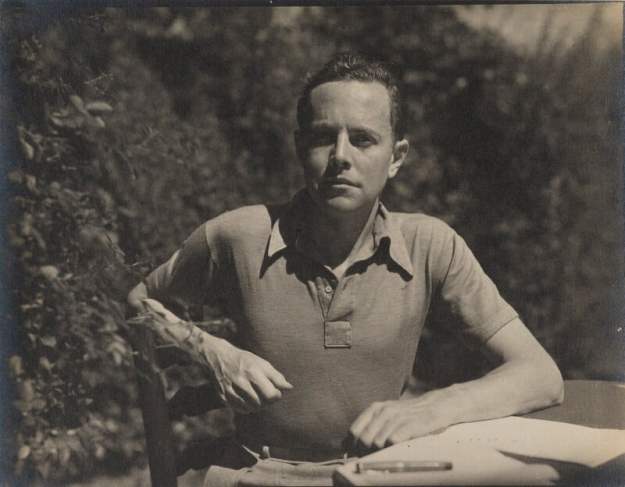
Beverley Nichols, by Howard Coster, 1929. © National Portrait Gallery, London

Norrie followed him in and all reserve then broke down. This happy state of affairs lasted for two days, but invariably short lived. There will be, he told himself, ‘rocks ahead’. It is just as well that he adopted this attitude, for who should arrive to accompany them to Henley, but the detestable Eddy, with his ‘bad complexion and a Cockney accent’. Instantly, Norrie was all over him and Beverley was forgotten. The weekend, not surprisingly, was a complete disaster. Once again, he tried to put a brave face on it and when they were joined by a boy called ‘Steegy’, he made a bid for the newcomer – only to be outflanked by Norrie who finished up with both Eddy and Steegy.

From ‘Beverley Nichols – A Life’, by Bryan Connon, 1991.
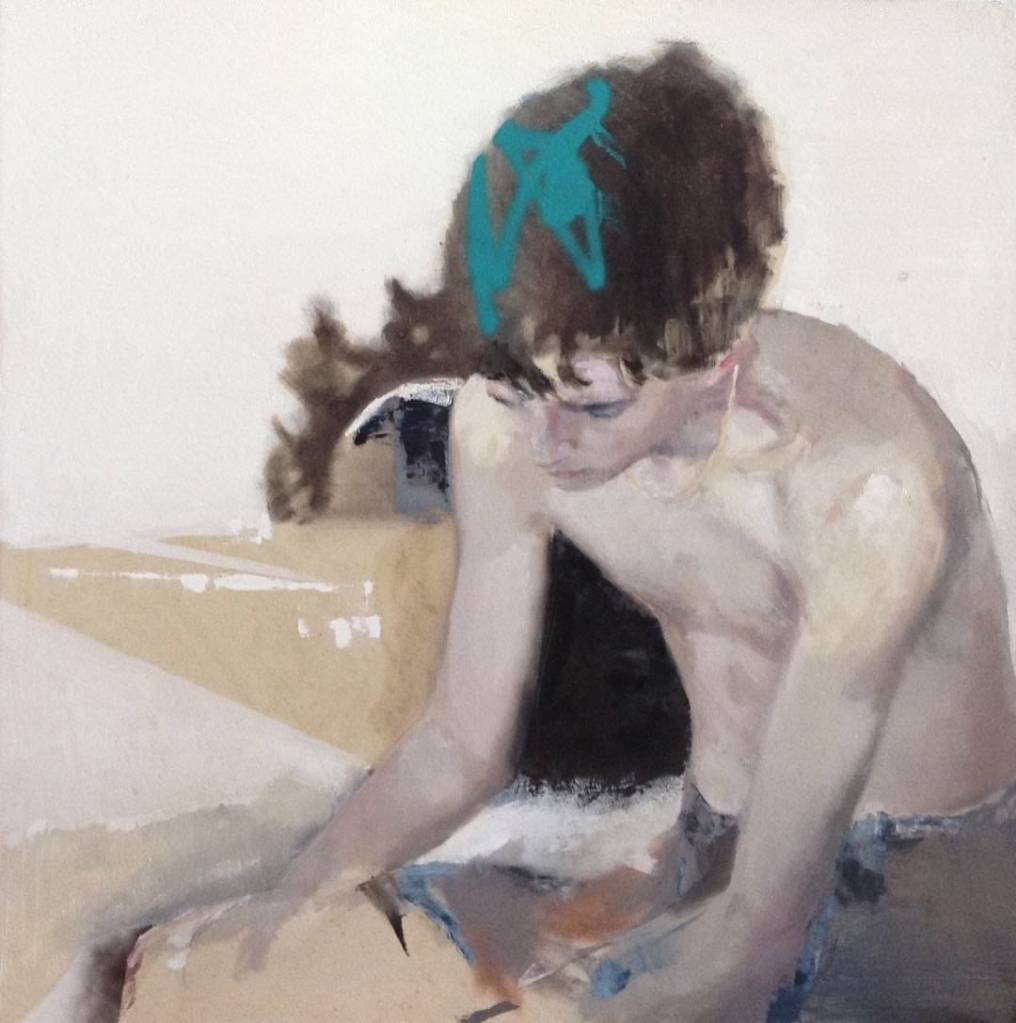
Evensong and Morwe Song: By C.K.Scott-Moncrieff (1908)

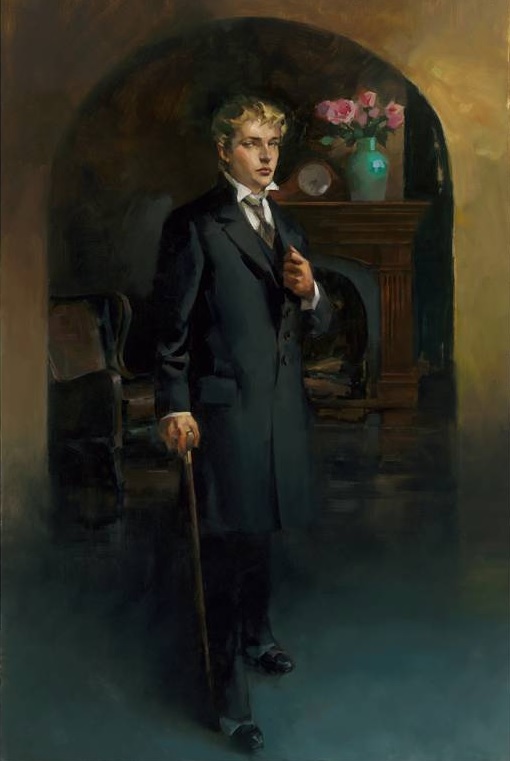
Eugene Shadko, oil on canvas (2018)

“And if we are found out?” asked Maurice. He was still on his knees in the thicket, and, as he looked up to where his companion stood in an awkward fumbling attitude, his face seemed even more than usually pale and meagre in the grey broken light. It was with rather forced  nonchalance that Carruthers answered. “O, the sack, I suppose.” – and he stopped aghast at the other’s expression. Then as only at one other time in a long and well-rewarded life did he feel that a millstone round his neck might perhaps be less offensive than the picture of those small, startled features hung for all eternity before his eyes.

At the age of eighteen, Charles Kenneth Scott-Moncrieff (1889–1930) published his story Evensong and Morwe Song in the pageant issue of New Field, the literary magazine he edited at Winchester School. Circulated widely among parents, pupils, and masters, the magazine reached far beyond the school itself. The story caused such a scandal that the issue was immediately suppressed and its editor expelled.

Stolen Words: ‘The mere danger gave me a sense of delight.’

Image: The Picture of Dorian Gray – Gregrory Manchess

‘One evening about seven o’clock I determined to go out in search of some adventure. I felt that this gray, monstrous London of ours, with its myriads of people, its splendid sinners, and its sordid sins, as you once said, must have something in store for me. I fancied a thousand things. The mere danger gave me a sense of delight. I remembered what you had said to me on that wonderful night when we first dined together, about the search for beauty being the poisonous secret of life. I don’t know what I expected, but I went out, and wandered eastward, soon losing my way in a labyrinth of grimy streets and black grassless squares.’

From ‘A Picture of Dorian Gray’ by Oscar Wilde (1890)

A deeply coded text. While The Picture of Dorian Gray does not explicitly describe sexual acts, it is widely considered a foundational queer or homoerotic novel. The language, deep obsession between male characters, and themes of hidden desires heavily reflect same-sex attraction, which led to the book being used as evidence in Oscar Wilde’s 1895 trial for homosexuality. 

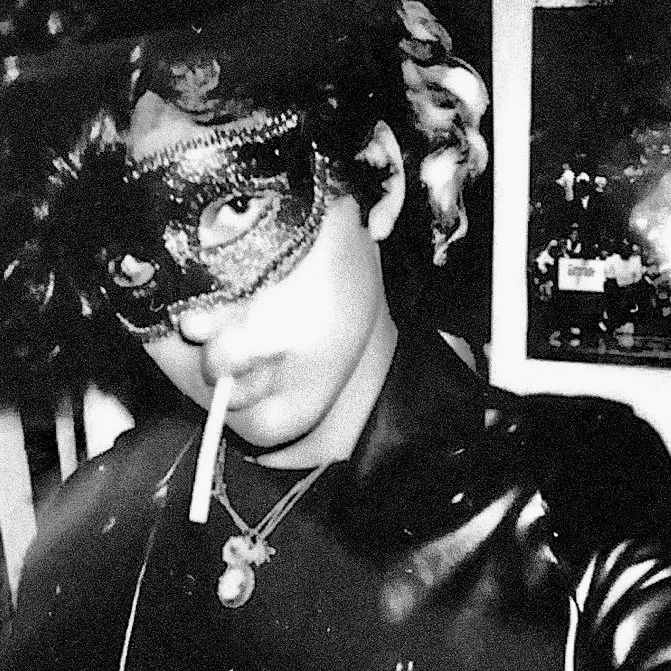
Stolen Words: A digital mask allows people to be authentic


“Man is least himself when he talks in his own person. Give him a mask, and he will tell you the truth”

Words by Oscar Wilde in his 1891 essay The Critic as Artist.

Stolen Words – The Camouflage of Virtue


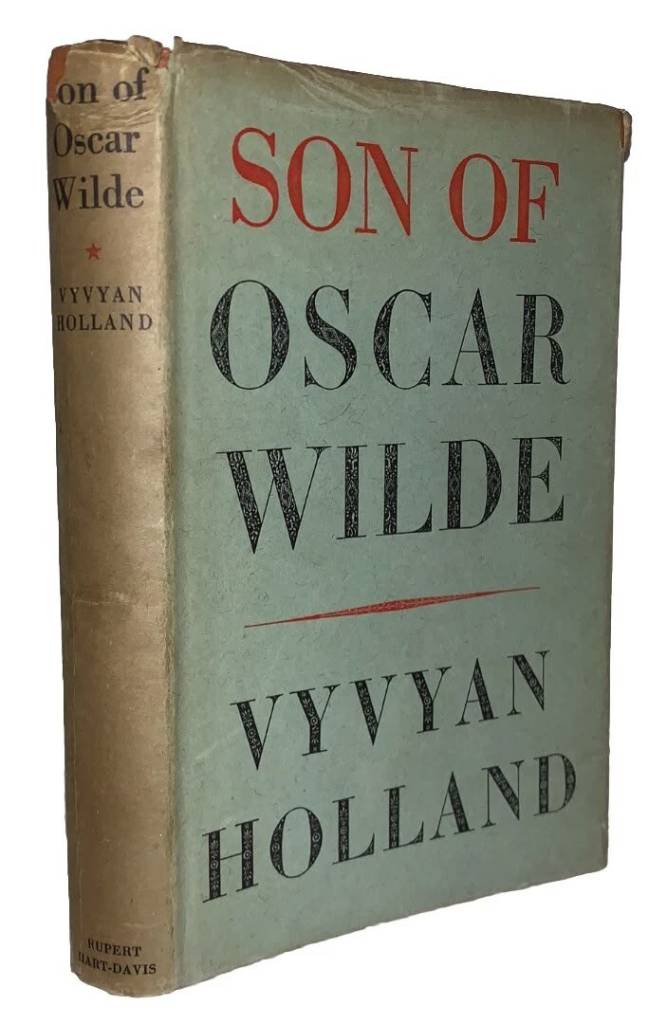
“The self-righteousness of that age was really camouflage to disguise its own hypocrisy, and the people who were loudest in their condemnation of my father were often those whose own lives could least bear investigation.”

– Vyvyan Holland writing in Son of Oscar Wilde. Published by Rupert Hart-Davis (1954)

And I can’t help thinking that the same still applies…

Stolen Words – Looking Away, Looking Back: The Ethics of Desire


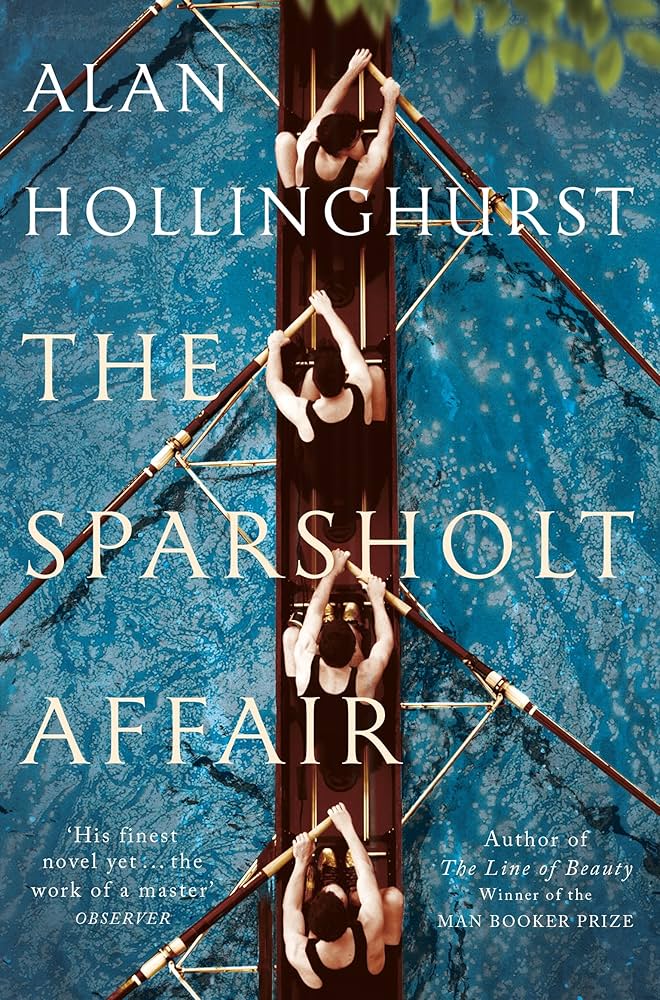
“He slid forward in his chair, head thrown back, boots straight out across the hearthrug. Evert knew already how David took drink, and noted the way he mugged being drunker than he was. He saw for three seconds David was showing him a thing beyond speech, and looked away and back again in hot-faced excitement. Then David dropped his hand and covered himself loosely, as if Evert were indeed a pervert to peep at a man’s lap.”

Alan Hollinghurst – The Sparsholt Affair (2017)