The Eddie Redmayne Test …
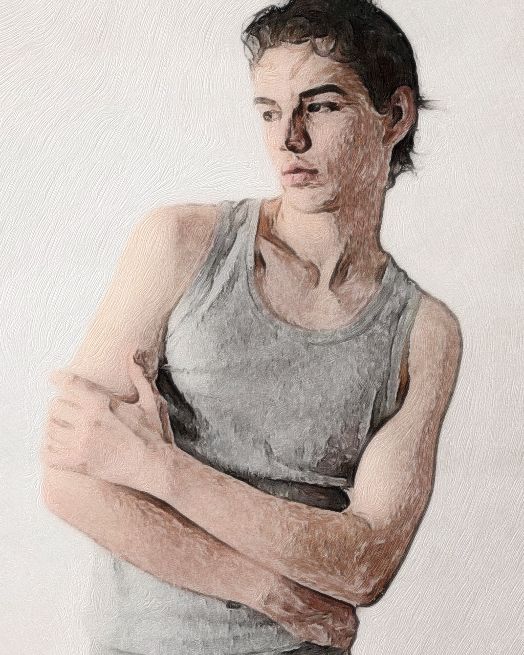
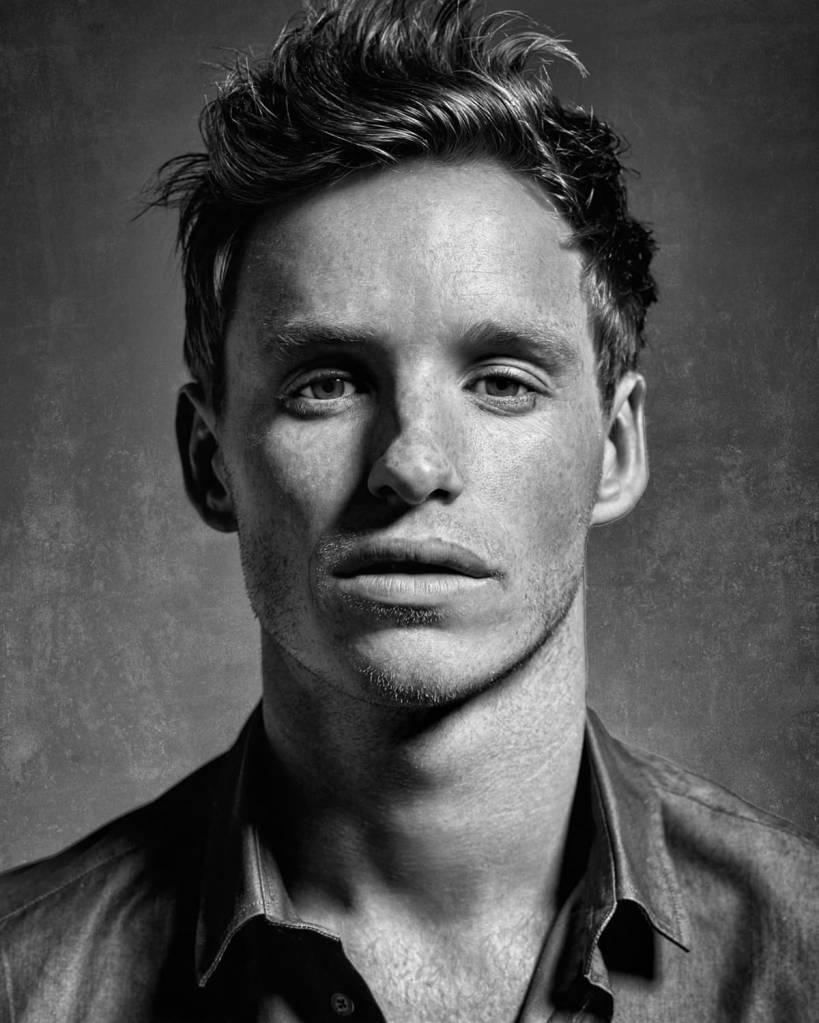
Imagine that Eddie Redmayne sat down beside you on the steps. He might do that. Soft-spoken, bookish and entirely unthreatening. His dandyish sense of style, expressive features and quiet politeness feel oddly familiar to me. He’s the perfect amount of gay—not in a sexual sense, but in that elusive way some men seem to embody a gentle elegance without ever feeling performative.
Fallen in love with …
Nineteen-year-old French student Didier Gaspard Owen Maximilien. Some people volunteer. Some climb Everest. Didier licked a straw from an orange juice vending machine, slid it back into the dispenser, edited the footage into a short film, and posted it with the caption: “city is not safe.” Singapore fined him S$600 (about $465). He’s either the villain in a public health campaign or the greatest shitposter of his generation. There is no middle ground.

Too beautiful to know it …
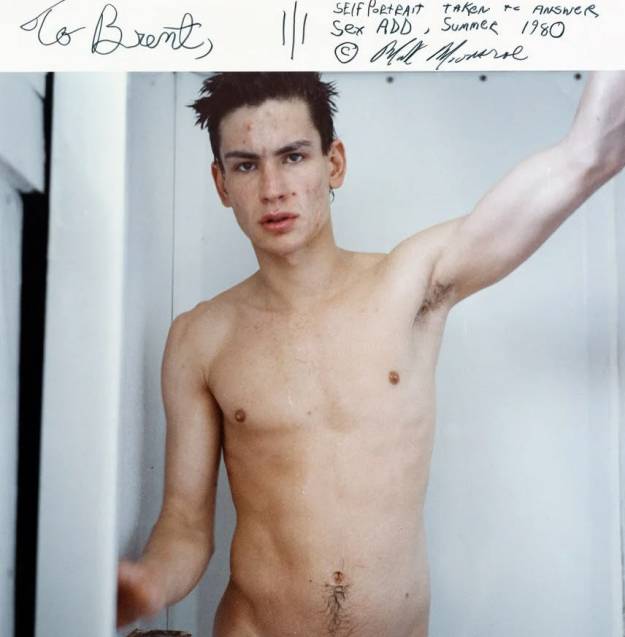
“It kills me to look at my old photographs of myself and my friends. We were such beautiful, sexy kids but we always felt bad because we thought we were ugly at the time. It was because we were such outcasts in high school and so unpopular. We believed what other people said. If any one of us could have seen how attractive we really were we might have made something better of our lives. I’m the only guy that I know who wanted to run away to be a prostitute.” ―Mark Morrisroe (1959–1989)
The book I haven’t opened yet …
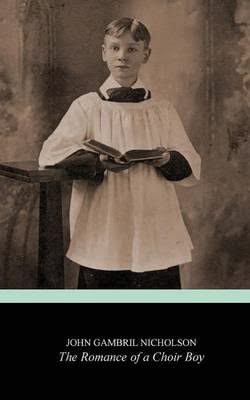
Why do I feel faintly guilty after receiving a copy of The Romance of a Choirboy from a friend in London? I haven’t even read the first page, yet it has already acquired that awkward quality of a book which almost seems to require an explanation simply for owning it.
Part of me wonders whether I should leave it exactly where it is.
John Gambril Nicholson wrote the novel between 1896 and 1905, although it wasn’t privately printed until 1916. It tells the story of Philip, an Anglican minister whose emotional and romantic fixation on a schoolboy called Teddy is presented with complete sincerity. More than a century later, it’s difficult to read the premise without immediately recognising the imbalance of age, authority and power. Today we would simply describe the relationship as predatory.
And yet, the novel refuses to disappear. It still surfaces in studies of late Victorian and Edwardian literature, less because people admire it than because it captures attitudes that respectable society often preferred not to acknowledge. Reading an uncomfortable book isn’t an endorsement of its ideas any more than visiting a museum is an endorsement of history. Even so, I suspect this is one of those books I’ll keep eyeing suspiciously from across the room before eventually deciding whether curiosity gets the better of me.
The boy you shouldn’t like …
A twenty-something, hard-partying gay fashion model who doesn’t wear underwear. I’ve come across a few of those.
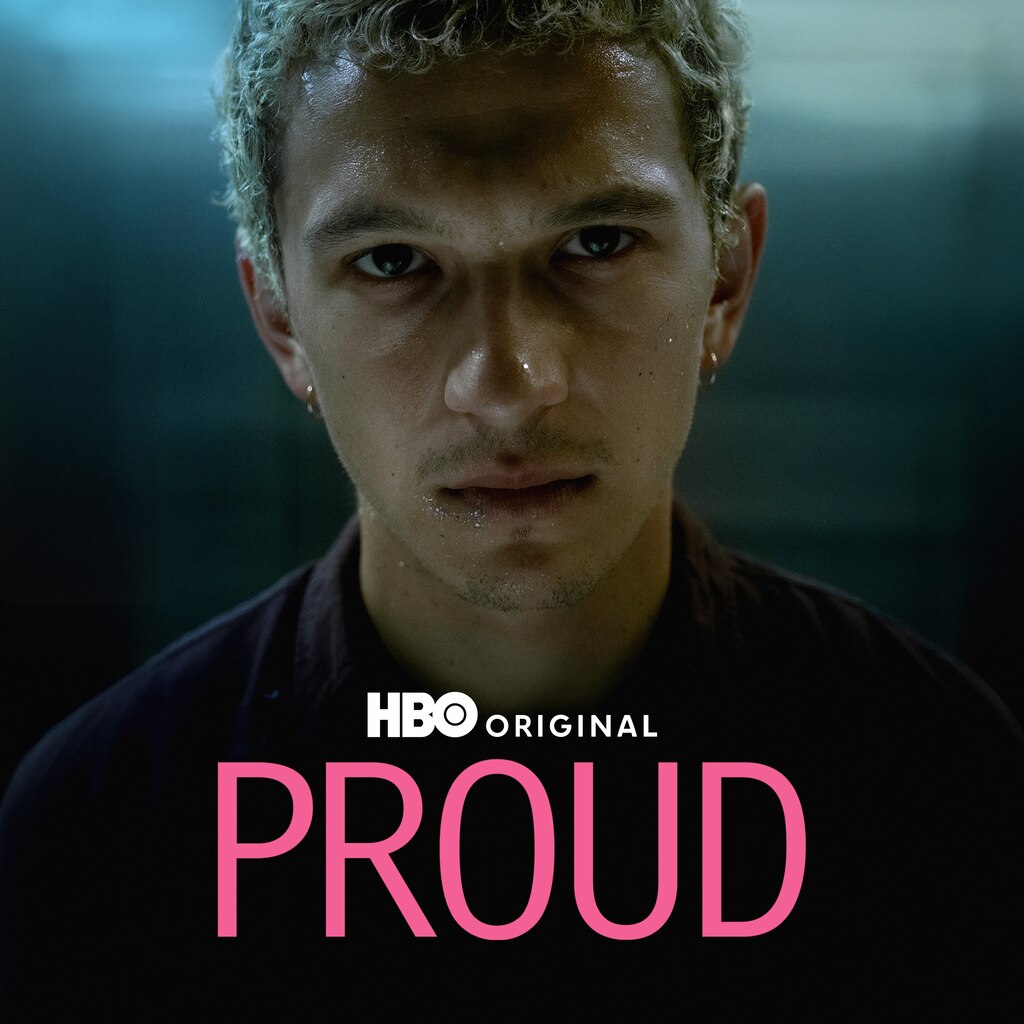
That’s the premise of Proud, HBO Max’s new Polish drama series.
Ignacy Liss stars as Filip, a carefree young man who is forced to grow up almost overnight after a family tragedy leaves him the guardian of his late sister’s infant daughter, Tosia.
We should be angry with him. We should probably be disappointed in him too.
But we aren’t, because there’s something undeniably appealing about him.
Maybe it’s the soft jawline, the expressive eyes, or the raw vulnerability that slips through the bravado.
Liss, who is straight and, away from the screen, a married father, makes for an infuriatingly convincing bad boy.
On the cute and willing…