

The apartment has stood empty for fourteen months. Now I return to it, in a city smothered with sunlight and heat, a place where distractions fall away. Here, I will write of the world I have just left, the world to which I must soon return—dragging up stories from a cemetery of memories. I have always written best from the outside, peering in.
At night the air thickens, heavy and damp. Through the high windows of this old townhouse I look out, remembering what happened here long ago. A man stabbed in the heart with a kitchen knife, left to rot for weeks before anyone noticed, the flies devouring him first. Signora Bruschi, who has scoured the floors and scrubbed the walls, insists it was not in these rooms.
I do not believe her. Yet under the pale wash of moonlight, in a room fragrant with flowers tumbling from the iron balcony, the truth hardly matters. I hum softly to myself, listening to the percolating hiss of coffee on the stove, until the first birdsong threads through the great London Plane outside—the one whose trunk carries the carved names of lovers and bored teenagers.
I take my place on the terrace beneath its green-striped awning, my Chromebook open beside a steaming bowl of carrot cream soup from the little shop on Via Giuseppe Cesare Abba. Overhead, a man and woman murmur in their rooms. Strangers still, but as the night deepens their voices taper into silence.
Sometime after midnight, Charlie’s message arrives from Paris. He is staying there with his family for a few days. Tonight he tells me he walked to the site of the old Hôpital Broussais – not in search of medicine, but to stand on the ground where Jean-Paul Sartre once drew his final breath.
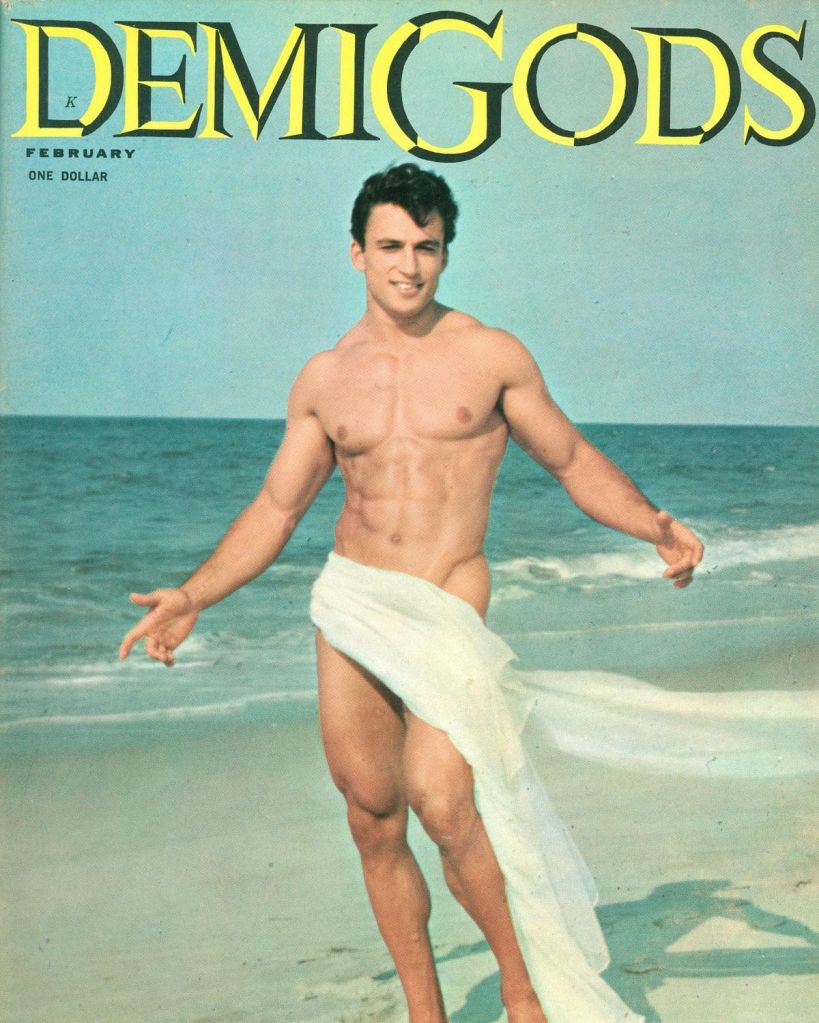
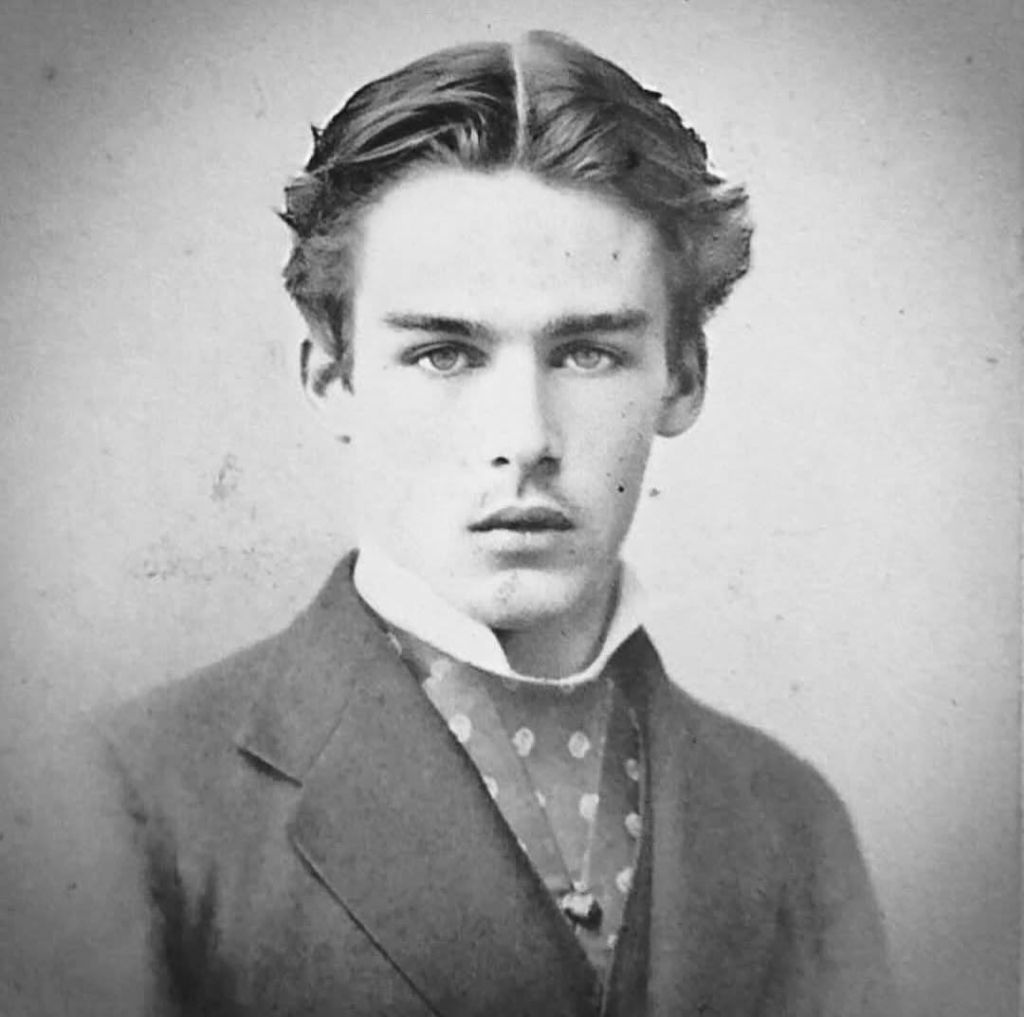




 Perfectly Hard and Glamorous