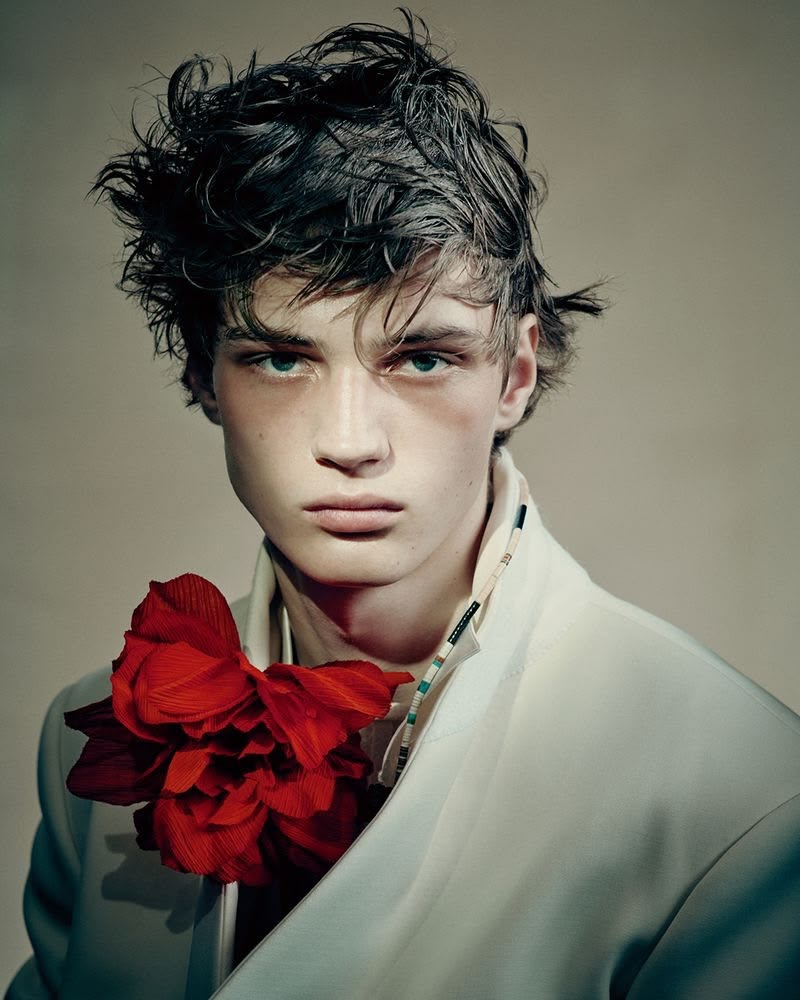
Like, I didn’t know that Troye Sivan is really called Troye Sivan Mellet. That Sivan is the ninth month of the Hebrew calendar, usually falling in May or June, and that he was born in June — on 7 Sivan, as it happens.
And I still think he is a ‘dirty’ boy.
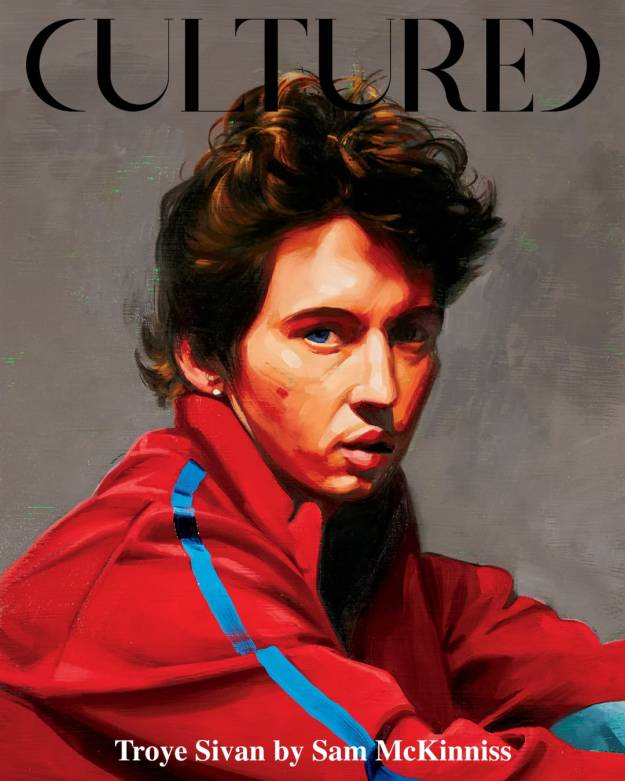
As far as art is concerned, Sivan has now popped up on the cover of the latest issue of CULTURED magazine, painted by American artist Sam McKinniss, who also interviewed him for the issue. The result is this rather gorgeous, slightly feverish portrait — and surely some magazine covers are destined to become collector’s items.
McKinniss, born in 1985 and based in New York, has been described as an ‘artist of celebrity’, having painted figures from popular culture and created the cover for Lorde’s Melodrama (2017), arguably one of his most memorable commissions.
He graduated from the Glasgow School of Art in 2005 before going on to exhibit throughout the United States and Europe. His paintings can veer from celebrity portraiture to lush, pop-cultural fantasy, with the occasional reclining male nude thrown in for good measure.
McKinniss first discovered Sivan on Instagram, when the then twenty-year-old had just released Blue Neighbourhood. He came across him again in 2018, when he saw Sivan in Joel Edgerton’s conversion-therapy drama Boy Erased. McKinniss remembered being impressed that someone from the pop world would take part in such a difficult and necessary film.
And now, years later, he has painted him.
Which, when you think about it, seems entirely appropriate.
I have immense admiration for those who fight invisible battles every day, push through intense pain, and somehow find the strength to rebuild their lives. Their journeys are a reminder that healing is possible, and that even the darkest periods can eventually give way to hope.
I came across Zach Montana on Instagram.
This guy pushes my buttons.
A little digging online reveals that Zach has been open about his mental health struggles following a drive-by shooting at his home. The trauma profoundly affected his well-being, plunging him into severe panic disorder and debilitating insomnia.
Those dark days are there to see online, and they make for disturbing viewing. There is something unsettling about watching somebody caught in the grip of fear, unable to escape his own mind.
The 28-year-old singer and TikTok creator began listening to ambient music in the middle of the night as a way of managing his disorder. There is something strangely intimate about that: the small rituals people invent to get themselves through the hours when sleep refuses to come.
A Boy in Love, Unfortunately …
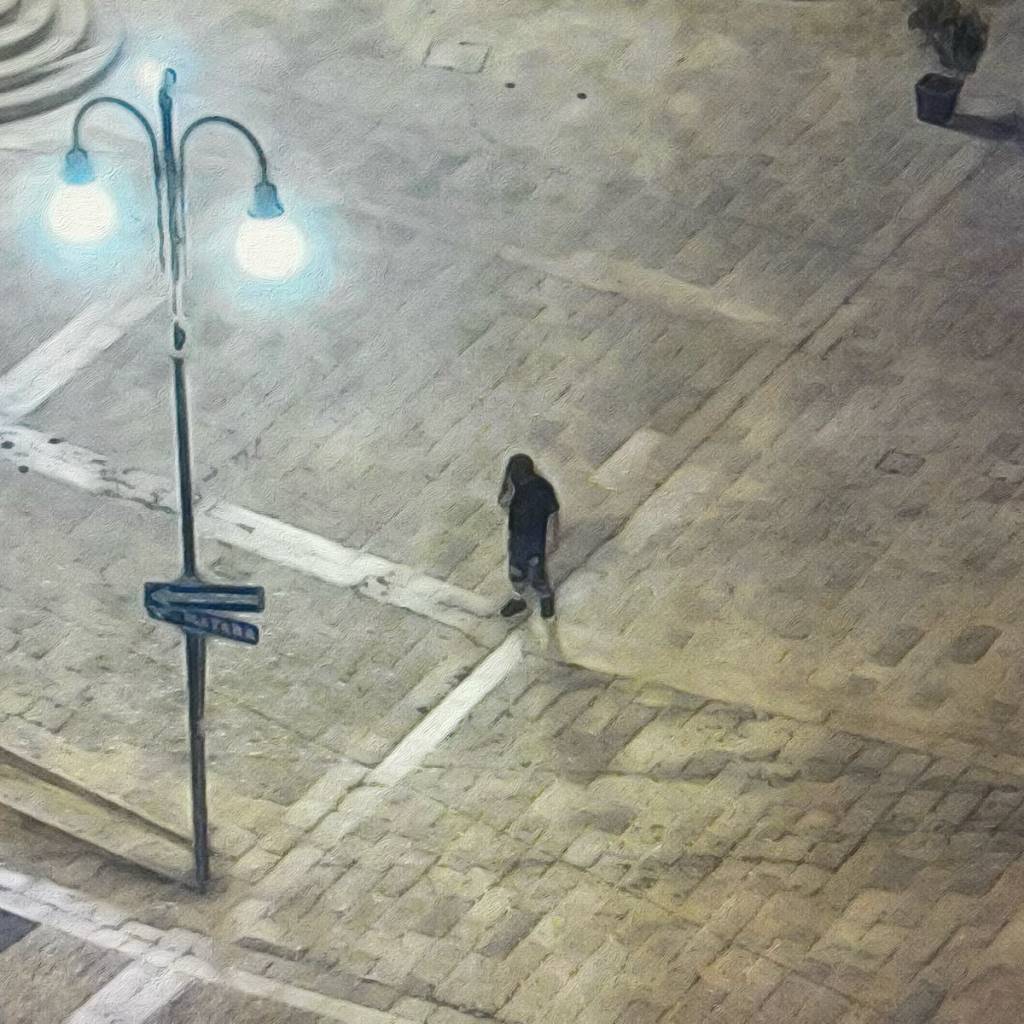
He’d been pacing around the piazza for, like, an hour, one hand going absolutely feral with the gestures while the other was glued to his phone. Yeah. This boy was down bad. In love, basically.
Michelangelo and Other Bad Ideas …
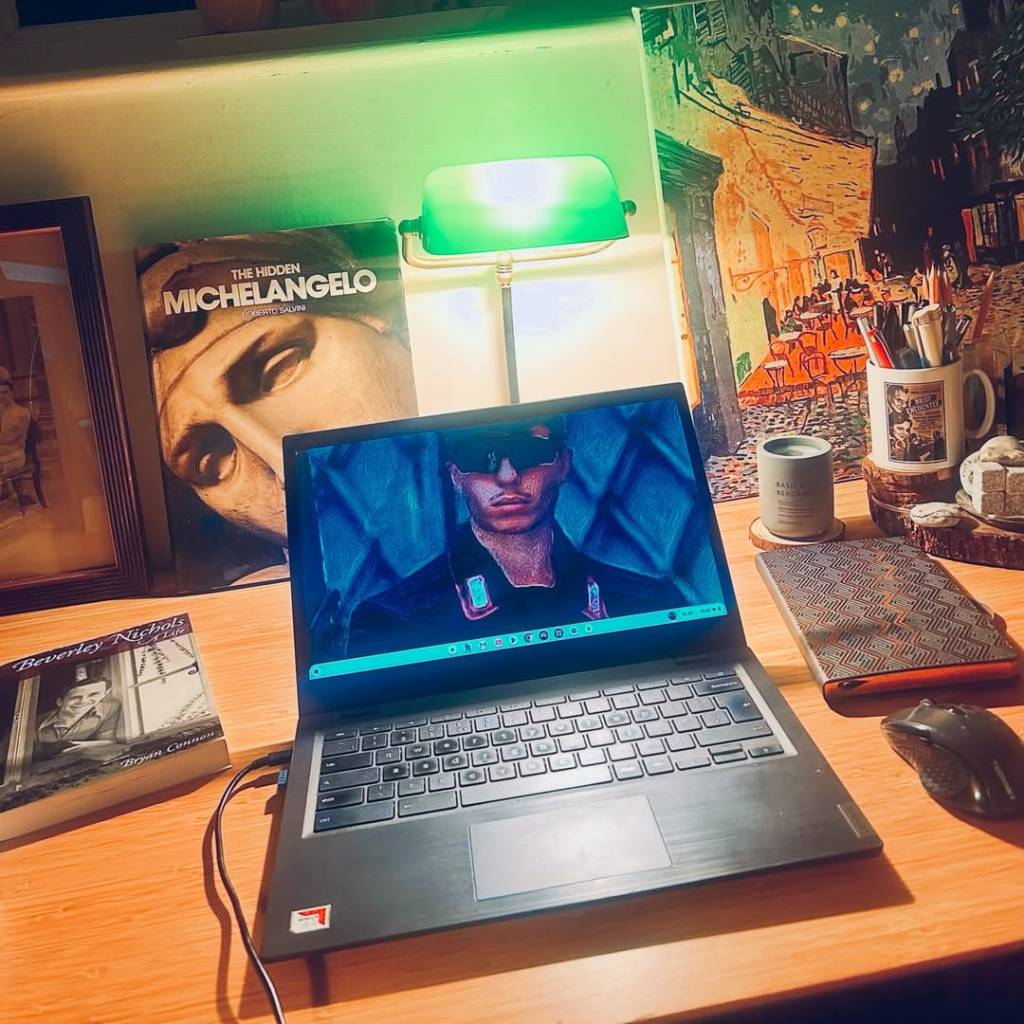
The handsome carabiniere. Main character energy, but make it literary. Michelangelo, old books & questionable late-night thoughts. Romanticising the chaos since forever.
A Dirty Mind …
Am I the only one who thinks Troye Sivan is dirty?
Not filthy dirty. Seductive dirty.
There is something about the way he moves. Videos like Rush and My My My! are all uninhibited physicality, nightlife sweat and celebratory desire. He looks tough, physical, almost animal-like. There is something raw about it. Something that hints at naughty desires without ever quite spelling them out.
Then there is that wild, untamed intensity. Roguish. Edgy. He has the look of someone who might push a boundary simply to see whether anyone notices.
But perhaps he is dirty in another way.
I imagine a mind that can take an innocent remark and give it an entirely different meaning. A fondness for crude jokes, suggestive words and the sort of playful naughtiness that turns an ordinary moment into something else entirely.
A dirty mind.
Desire used mischievously, perhaps, to heighten the excitement.
I’m getting ahead of myself.
Yes.
Troye Sivan is dirty.
Under the Surplice …
Thinking that my agnostic tendencies were showing, Signora Bruschi insisted that I go to Holy Mass with her.
I’d never realised that it was such a social occasion.
Before it started, Signora Bruschi stood outside talking to the dozens of women she knew. They wafted folding fans, complained about the heat, and predicted how hot it would be inside the church. But this was merely the forerunner to what really mattered: the latest gossip from the neighbourhood.
I was a spectator who didn’t quite grasp the conversations, smiling and frowning according to the situation.
My interest waned.
Attention switched to the teenage boys milling around the entrance.
They all favoured crisp white T-shirts with black shorts. They all seemed to dress the same in Italy: bella figura, that cultural obsession with looking effortlessly put together while remaining practical in the intense heat.
Style is treated as a social responsibility rather than a temporary trend. The sharp contrast of clean white against stark black creates an instant athletic frame. The T-shirts are rarely sloppy or oversized, and the shorts typically sit perfectly above the knee.
It is a reliable summer uniform: a neutral canvas for the things that really matter—expensive sunglasses, a luxury watch, pristine trainers.
The boys prodded one another and tried to trip each other up. The same things teenage boys did in every country.
But then they were called to action.
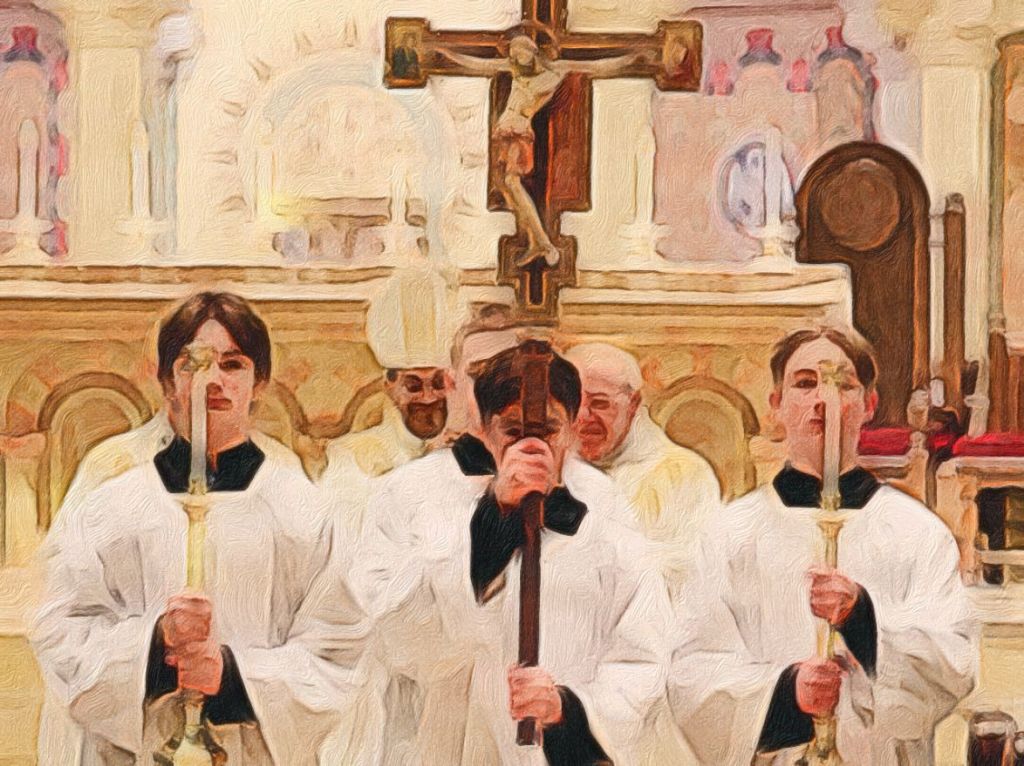
They disappeared through an arched doorway beside the church. One by one, they slipped into white cotte, their black curls making it difficult to tell them apart.
They reappeared as altar servers, suddenly possessed of an air of importance. One carried the processional cross, which he propped against the wall of an adjacent house. The others clutched unlit candles.
And then they waited while everyone went into church.
Cantiamo te, Signore della vita was sung. Don Carlo and the chierichetti walked down the aisle in a serious procession, the processional cross held high and the boys carrying flickering candles.
The tomfoolery had been left outside.
These boys—some happy to be there, others clearly not—were rising to the challenge. For a few minutes, they seemed to understand that something was expected of them and that they were capable of becoming something other than the boys who had been pushing and shoving outside.
And I smiled.
They paraded past, their clothes hidden beneath long white surplices; their true identities given away by flashy new trainers—Nike Air Force 1s, Adidas Sambas and New Balance 550s.
It was the trainers that betrayed them.
Beneath the white cotton, beneath the solemn expressions and the ritual and the incense, they were still those same boys outside the door. The church had given them candles, a cross and a moment of gravity, but it hadn’t managed to take away their swagger.
Perhaps that was what I liked about it. For all its ceremony, Holy Mass had not changed them at all. It had simply given them another costume to wear.