
On driving behind a cute-assed cyclist…
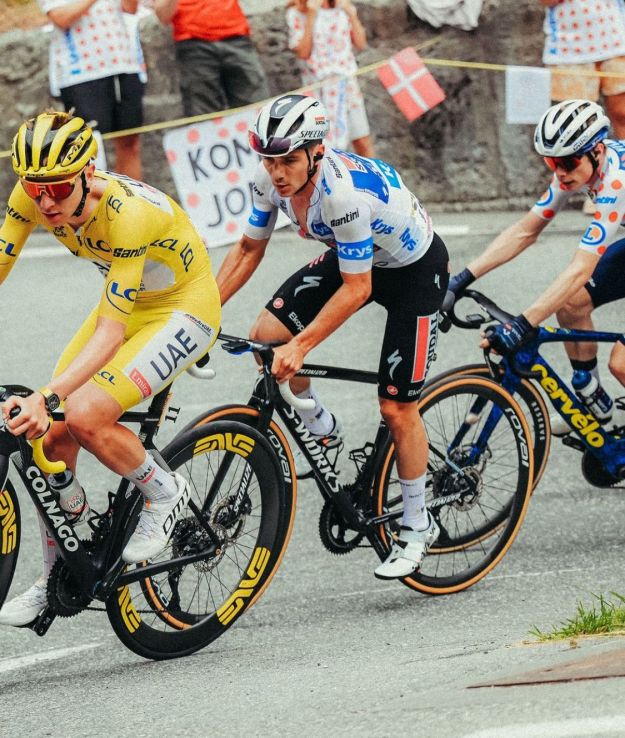
I found myself trailing a cyclist who was hammering the pedals with admirable ferocity; his lycra-clad form rose and fell in a hypnotic rhythm, all sleek lines and aerodynamic intent. There’s something undeniably compelling about a well-put-together rider on a racing bike—graceful, efficient, almost cinematic.
But as I pulled alongside to overtake, the illusion collapsed rather abruptly. What I had taken for youthful athleticism was, in fact, a fully paid-up member of the MAMIL brigade—Middle-Aged Men in Lycra—an increasingly unavoidable presence on the roads. The term, apparently coined by Mintel in 2010, captures a very specific phenomenon in modern cycling culture.
The charitable definition goes something like this: men typically aged 35–50+ who embrace high-performance cycling, clad in tight technical gear and mounted on eye-wateringly expensive carbon-fibre machines. It’s said to be driven by a desire for physical challenge, a reprieve from work and domesticity, and perhaps a quiet rebellion against the passing of time.
Which is all very noble, of course.
And yet—at the risk of sounding deeply ungenerous—I can’t help but feel a flicker of disappointment every time the helmet comes into focus. If you’re hoping for lithe, Tour de France–calibre elegance, you may be better off watching the actual Tour de France. Out here on ordinary roads, the reality is… rather more middle management on wheels.
On binge-watching The Count of Monte Cristo…
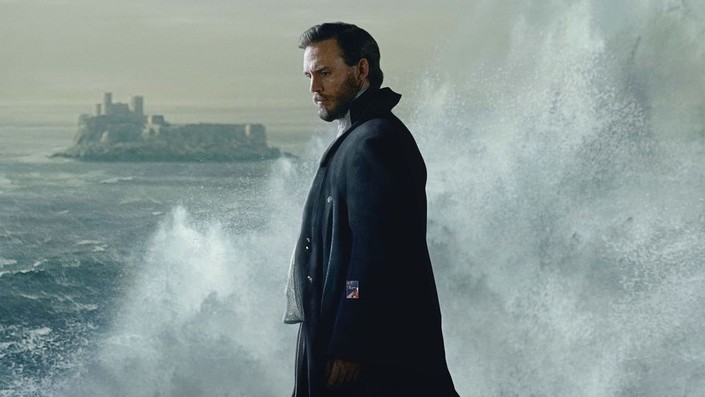
There was only one real reason for watching The Count of Monte Cristo—not the recent film, but the Italo-French collaboration from two years ago. My interest lay not with Edmond Dantès himself, nor with the familiar arc of his imprisonment and revenge, but with two Italian actors—Lino Guanciale and Nicolas Maupas—who have recently piqued my curiosity.
Edmond Dantès, a sailor falsely accused of treason, is imprisoned in the Château d’If off Marseille. After fifteen years, he escapes, discovers treasure on an uninhabited island, and assumes the identity of the Count of Monte Cristo, plotting revenge against those who betrayed him. Like the figure in the Alexandre Dumas novel, he emerges compelling, if inevitably vengeful.
The production is noted for its cinematic look, authentic costumes, and striking Mediterranean locations. Reviews were mixed: The Guardian criticised its wooden dialogue and performances, though conceded it could still be an enjoyable watch.
It wasn’t Sam Claflin in the lead, nor was it Jeremy Irons—though Irons was, as ever, effective as the ageing Abbé Faria, lending the role a quiet authority.
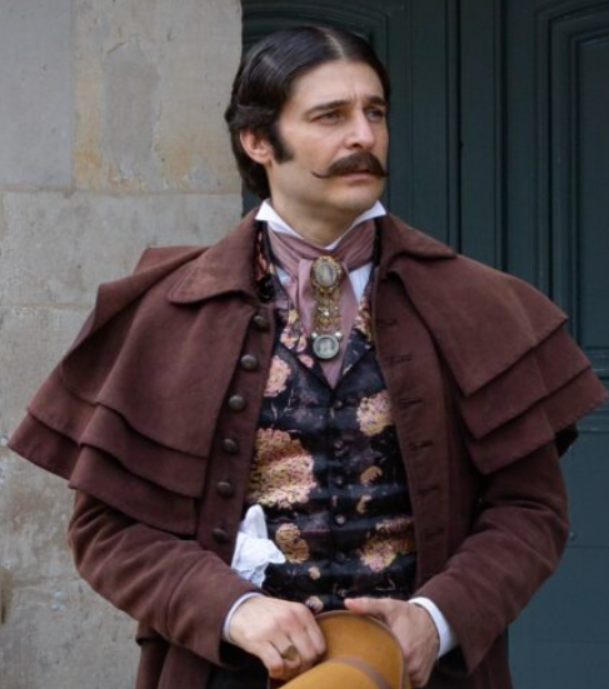
Instead, my attention returned to Guanciale and Maupas. I’ve seen Lino Guanciale as the lead in two Italian-language series: La porta rossa, where he plays a ghost, and Il Commissario Ricciardi, where he sees them. Here, he appears as a chubbier Luigi Vampa, a quieter presence but still recognisable.
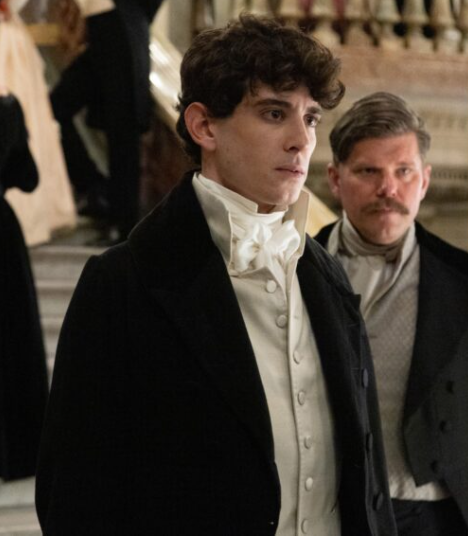
Nicolas Maupas, born to a French father and Italian mother, is best known as Filippo Ferrari in Mare fuori, set in a juvenile prison in Naples. In this adaptation, he plays Albert de Morcerf with a naïve, easy charm that makes the character immediately likeable.
My interest in Italian television and film feels increasingly insatiable, though it relies almost entirely on subtitles. Here, however, The Count of Monte Cristo was performed in English, allowing both Guanciale and Maupas to speak in my native tongue—an accommodation that also reflects the ambitions of an international co-production, assembling a cast drawn from Italy, France, Denmark, and England.
On ditching a short story…
I wrote a short story but something didn’t sit right. I thought it was good, but there was an uneasiness. Like it had the making of something but lacked oomph. And I worked at it from several angles but still it gave me reservations. I showed it to someone and they said, “This is not you at all.” And so the story was shelved.
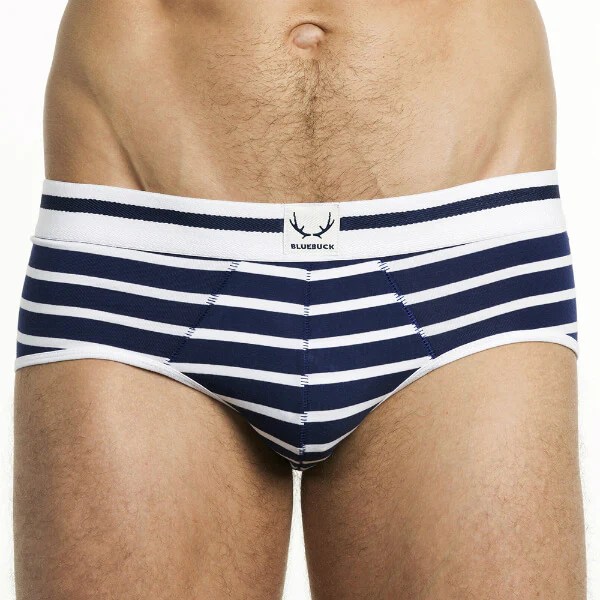
On seeing a young guy’s underwear…
The only thing colourful about him was his underwear, which I discovered by accident, though afterwards I wondered if anything about it had been accidental at all. He carried himself so carefully, as if afraid of drawing attention, yet there it was—a glimpse of colour (blue and white) that didn’t belong to the guy I thought I knew. It unsettled me, not because it was bold, but because it suggested he was.
On hearing somebody talking about an elderly writer…
“At some stage he will be afraid to start writing a new book because he might die before he finishes it.”
Privacy is what we used to call liberty
Ubiquitous cameras in public spaces. Online tracking, data harvesting, targeted ads. Governments or corporations monitoring our behaviour. Something fundamental has shifted in how we understand freedom.
Liberty used to mean freedom from intrusion. The right to be left alone, to speak, think, move, and live without constant oversight. Privacy is now treated as a narrower, more technical concern—something about data protection, personal information, or what you choose to share.
Privacy is what we used to call liberty.
On the cute and willing…