Tag Archives: Forgotten Actors

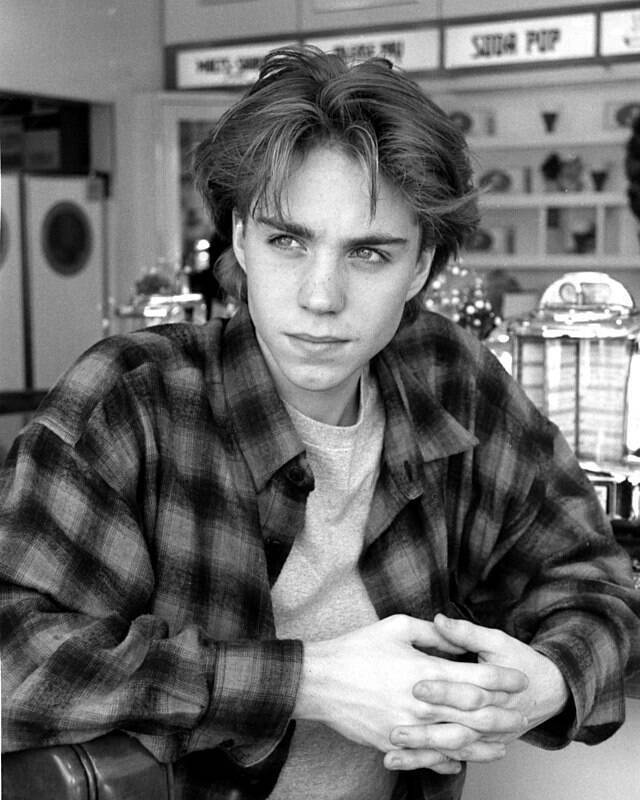
The Beautiful Mess of Justin Pierce

Reckless youth and the tragedy behind the swagger
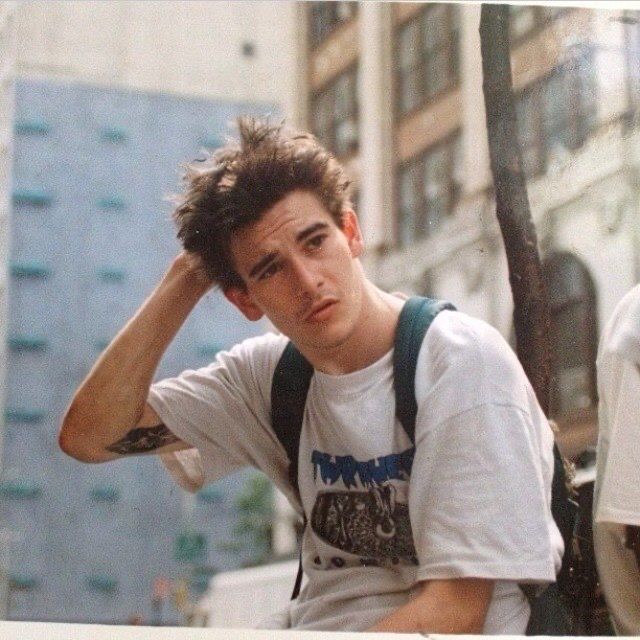

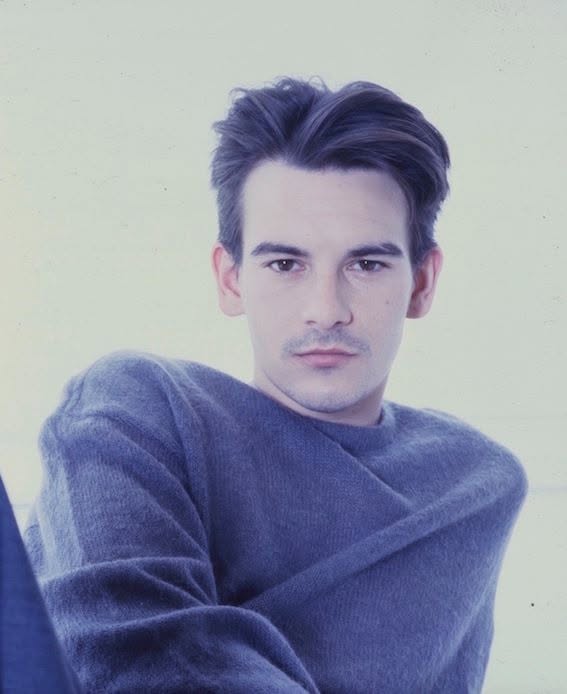
Raw, unpolished charisma. Deep-seated vulnerability beneath a tough exterior. A tragic beating heart.

A few words to describe actor and skateboarder Justin Pierce, who died in 2000.

He was a bit of a looker.

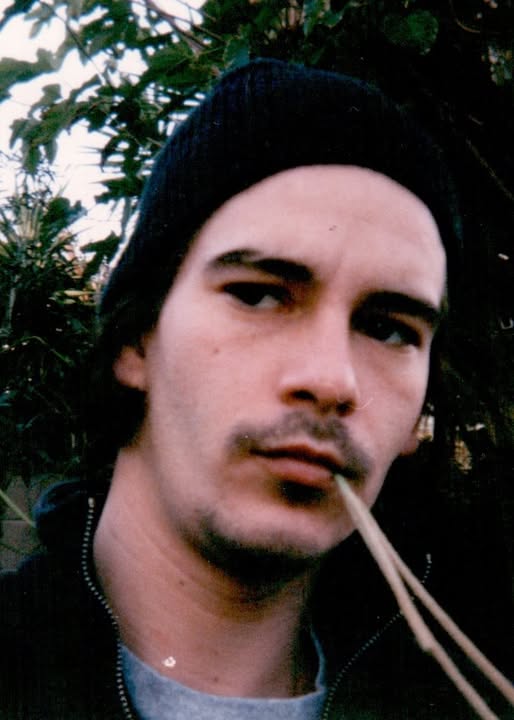
Sharp, angular features. A symmetrical face. Strong jawline. High cheekbones. Intense, dark eyes. Dark hair that alternated between a sharp buzz cut, a messy, tousled style and chin-length waves, often tucked beneath a backwards baseball cap or a knitted beanie. And that layer of stubble, the faint moustache.

There was a dishevelled edge about him.

And the dress code.

Baggy cargos. Oversized skate tees.

He was a 90s rebel, a style icon for a generation of skaters who followed in his footsteps. The truth is, today’s skater boys probably have no idea who Justin Pierce was.

His claim to fame came when film director Larry Clark discovered him skating in New York’s Washington Square Park. He cast him in Kids, a film following 24 hours in the lives of aimless Manhattan teenagers, who prey on and protect one another. They drink, get high, talk trash. But mostly, they have unprotected sex.

Released in 1995, Kids was both condemned and praised for its uncompromising portrayal of teenage sex, drugs and violence.

It has since become a cult classic.

Pierce played Casper, a profane, drug-addicted skateboarder. The New York Times described him as:

“A reckless goon who spends his day huffing nitrous oxide, swilling beer and starting fights in the park.”

An antihero with chaotic charm.

“He’s really riveting,” his co-star Rosario Dawson said. “I had such a crush on Justin when we did the movie. He was such a mess.”

By all accounts, he could get seriously fucked up. Drunk. Arrested. There were also stories of fist fights with co-star Leo Fitzpatrick.

The line between Justin Pierce and Casper was never an easy one to draw.
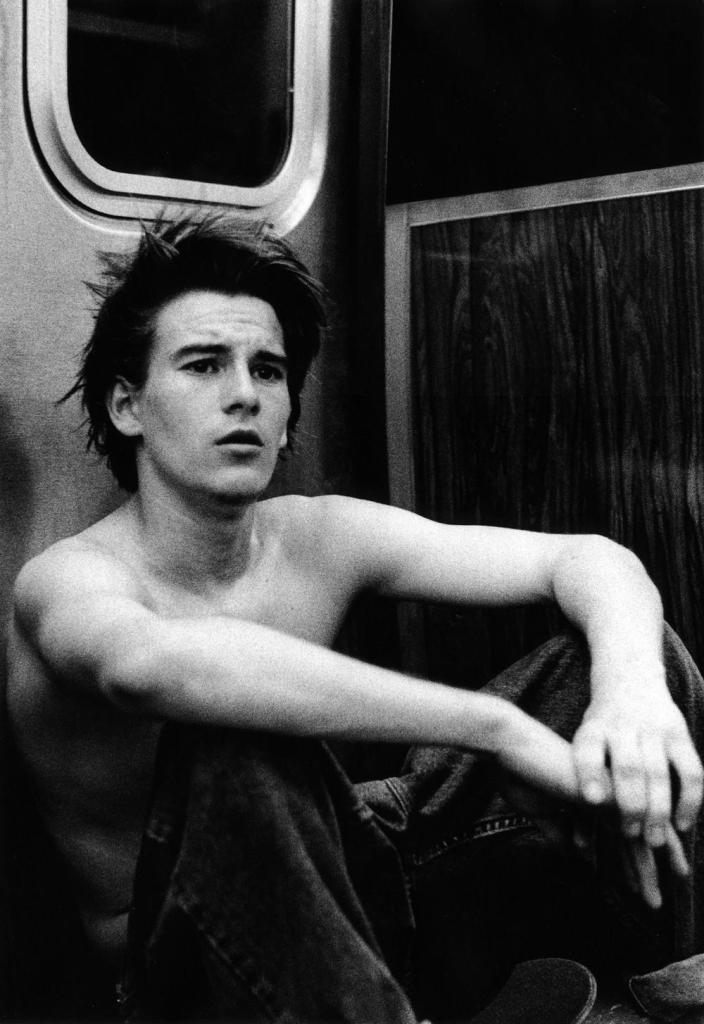

Pierce grew up in Marble Hill, in northern Manhattan. As a teenager, he dropped out of school and moved into a basement apartment on 176th Street, known as the Dungeon, which was teeming with fellow skaters. His self-destructive streak wasn’t invented for the screen. Casper had been written specifically with him in mind.

“His style, his swagger, his whole thing was kind of unprecedented,” screenwriter Harmony Korine said. “He was supermagnetic, and there was something really beautiful about him. At the same time, he was completely uncontrollable. He went for it all of the time, and that’s part of what got him into trouble.”

In 1996, Pierce won the Independent Spirit Award for Best Debut Performance.

After Kids, he went on to appear in a further dozen films. His most recognisable mainstream role was Roach in the 2000 box-office comedy Next Friday, alongside Ice Cube. On television, he appeared in the HBO film First Time Felon (1997) and guest-starred in two episodes of Malcolm in the Middle in 2000.

But skateboarding remained his first love.

Pierce was an original rider for the Zoo York skate team. He featured prominently in the now-iconic Zoo York Mixtape video (1998) and was a founding member of the original Supreme crew, back when the brand was still a single shop on Lafayette Street.

After Kids, he moved to Los Angeles and married stylist Gina Rizzo in 1999.

But something was troubling him.

In July 2000, aged just 25, Pierce was found dead in his room at the Bellagio Hotel in Paradise, Nevada. His death was ruled a suicide. Reports indicated that two notes had been found, though their contents were never made public.

There has been speculation about the toll that drugs took on the young cast of Kids. Pierce struggled with substance abuse, something that was an open secret within the community. Another of his co-stars, Harold Hunter, died of a cocaine-induced heart attack in 2006.

Pierce’s death received relatively little attention at the time. But Kid 90, the 2021 documentary directed and produced by Soleil Moon Frye, brought him back into view for a new generation and offered another glimpse of the troubled young man behind the swagger.

Frye had spent four years going through footage she had shot as a teenager in the 1990s, along with her diaries and voicemails. What emerged was a time capsule of youth, excess, friendship and vulnerability.

Those who knew Pierce remembered his extraordinary good looks. Perhaps there was a little envy in their recollections, too. But there was affection as well. They remembered the magnetism, the swagger, the beautiful mess of him.

Another waste of a young life.
The Boy Hollywood Forgot 

Jonathan Brandis and the loneliness of being forgotten


While researching Jonathan Brandis, I had the strange feeling that he reminded me of someone.

Then I realised.

He looked uncannily like my friend.

I would later discover that they shared some of the same torments.

But there is a difference.

Jonathan Brandis is dead.

My friend isn’t.

“I want to be remembered as an actor who put in some good work in the beginning of his career, even better work at the end of his career and slowly, successfully made the transition into writing and directing,” he told Nicki Swift in the Hartford Courant in 1994.

It didn’t end that way.

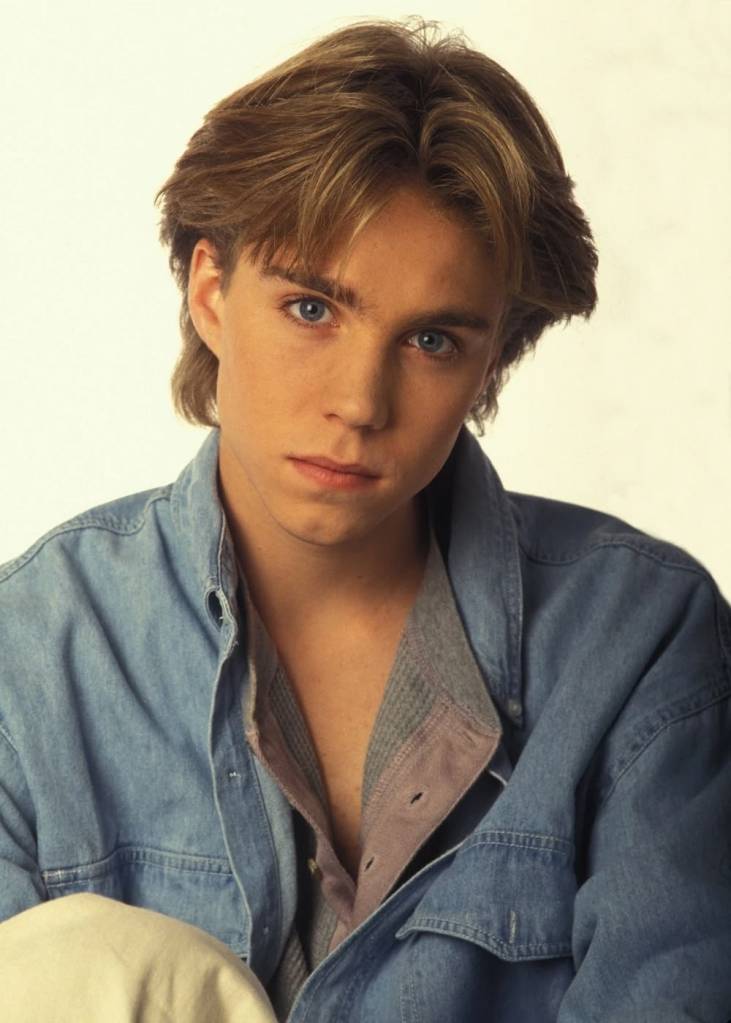
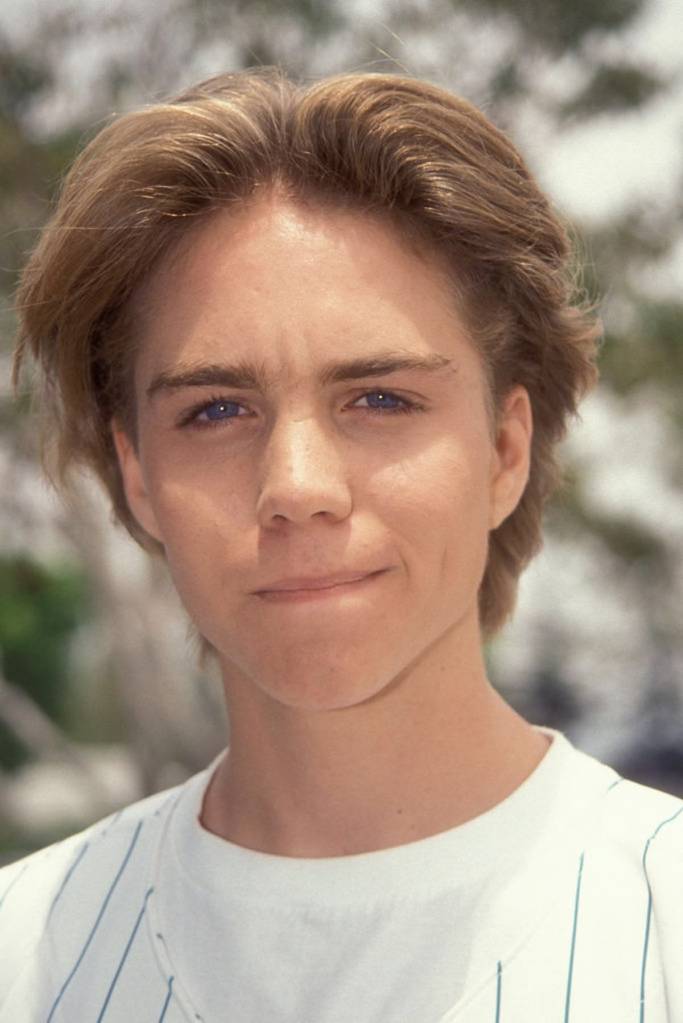
Brandis was boyishly handsome. Dark blond hair. Blue eyes.

Yes, the eyes were beautiful.

In the 1990s, Tiger Beat readers voted him their number one ‘dreamboat’, while Seventeen placed him among its ten sexiest guys.

At the height of his fame, he was receiving 4,000 fan letters a week. Three studio guards were needed to escort him through the mobs of fans at Universal Studios in Orlando, where seaQuest DSV, the Steven Spielberg-produced futuristic underwater fantasy, was filmed.

Between 1993 and 1995, Brandis played Lucas Wolenczak, a teenage computer genius who bonded with Darwin, a dolphin capable of communicating with the crew.

Born in Connecticut in 1976, Brandis began modelling for advertisements as a child. By nine, he had moved to Los Angeles.

There were television appearances in L.A. Law, Who’s the Boss?, Full House and Blossom.

Then came the films.

Most famously, he played Bastian in The NeverEnding Story II: The Next Chapter in 1991.

He auditioned for the role of Anakin Skywalker in Star Wars: Episode II – Attack of the Clones. Hayden Christensen got the part.

It was no big thing.

seaQuest DSV was just around the corner.

Then seaQuest was cancelled.

And suddenly the boy who had been everywhere was finding it difficult to get the roles he thought he deserved.

There were television movies. Smaller parts.

But the momentum had gone.


Brandis was devastated when most of his appearance in the 2002 war drama Hart’s War ended up on the cutting-room floor.

Underneath the persona, the long career lull — and the creeping realisation that he was no longer the boy Hollywood had once wanted — became sources of anxiety.

He began drinking heavily.

He allegedly told people he wanted to kill himself.

In November 2003, a friend found the 27-year-old Brandis hanging in the hallway of his Los Angeles apartment.

Paramedics rushed him to Cedars-Sinai Medical Center.

He died the following day.

There was no suicide note.

There were no drugs in his system.

At first glance, Brandis might seem like another tragic victim of Hollywood.

A beautiful young man who had been adored, then discarded.

But perhaps it was more complicated than that.

In his memoir Growing Up Urkel, Jaleel White writes about Brandis and the strange pressure placed on young actors who grow up in the business.

“Just like me, he had dedicated his entire life to achieving what Leonardo DiCaprio and the rest of his peer group had seemingly accomplished with ease.”

When White learned that Brandis had died, he wrote that he “cried for what felt like a fallen soldier.”

Years later, Brandis’s father offered another explanation.

He suggested that his son may have been bipolar.

“His death wasn’t due to the entertainment industry,” he said. “I look back now, and in his 20s, he showed signs of manic depression.”

Perhaps that is the more uncomfortable truth.

The industry may have contributed to the disappointment, the loss of status, the feeling of being forgotten.

But the darkness may have been there long before the lights went out.

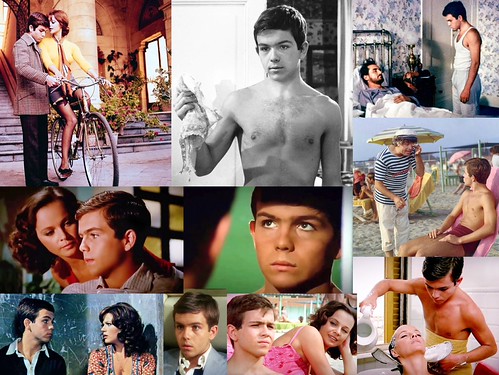
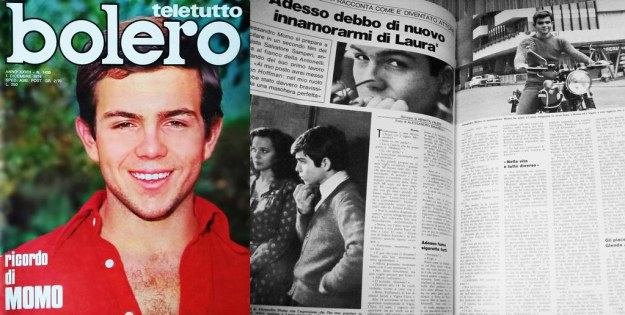
Alessandro Momo: The Life That Never Happened


Almost forgotten in Italy. Completely forgotten by the rest of the world.

There was once a time when Alessandro Momo looked destined to take on the world.

But life dealt him a fatal blow.

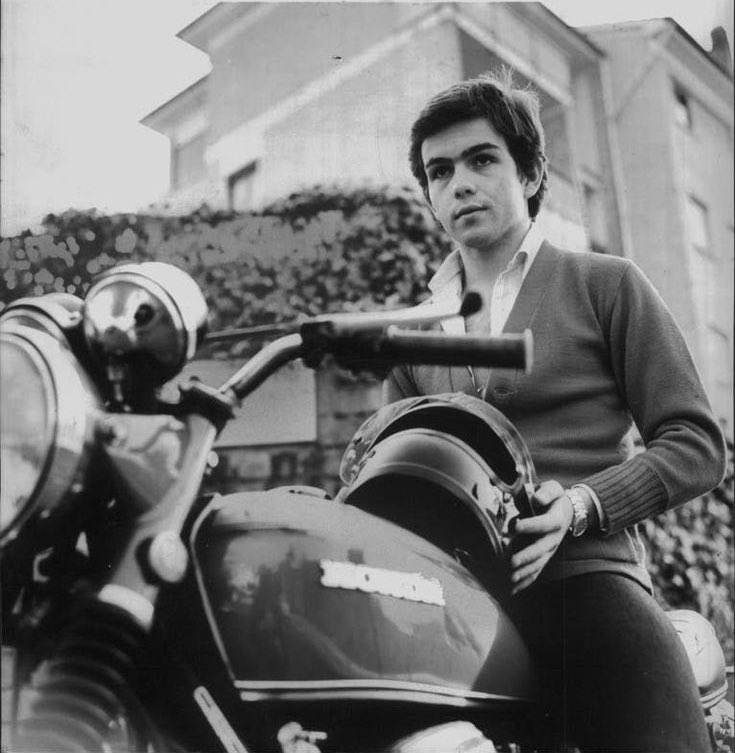
On November 19, 1974, the 17-year-old actor was speeding along Lungotevere Maresciallo Cadorna, a prominent and scenic stretch of boulevard running alongside the Tiber in Rome’s Della Vittoria quarter, on a borrowed Honda CB850 motorcycle.

“I’m lucky. The police won’t catch me.”

When a taxi turned left into Via Roberto Morra di Lavriano, Momo swerved, hit the taxi and was thrown more than ten metres into the opposite lane, his torso crushed against the motorcycle’s handlebars and fuel tank.

He was taken to Ospedale di Santo Spirito in Sassia with horrific injuries: a fractured fifth rib, subcutaneous emphysema of the left hemithorax, a left orbital haematoma, abrasions to the right parietal bone, bruising to his lips and nose, a contusion to the left hypochondrium, extensive contusions and abrasions to his limbs, a ruptured spleen and a lacerated stomach.

He underwent emergency surgery but died ten hours later.

There was something eerily reminiscent of James Dean in his death.

Like Dean and his fast cars, Momo regarded motorcycles as his great passion. And, like Dean, he died doing the thing he loved, at precisely the moment when his career seemed ready to take off.

The strikingly youthful, dark-haired adolescent, with his intense blue eyes, embodied the quintessential look of the brooding and magnetic 1970s Italian teenager.

He projected a mixture of innocent charm and rebellious energy that defined his breakout performances in films such as Malizia (1973) and Profumo di donna (1974).

In Malizia, Momo played an intense, observant and brooding 14-year-old boy navigating his sexual awakening.

“The sexual curiosity of Momo is perverted and sadistic,” wrote one critic.

But there was something about Momo that captured the joys, anxieties and awkwardness of sexual awakening for a generation of young Italians.

At the time of his death, he had just completed Profumo di donna, in which he played a naive young military cadet nicknamed “Ciccio” — “Babyfat” — who is assigned to serve as the personal aide to a blind, retired army captain.

Its English title was Scent of a Woman. The film received two Oscar nominations and would later become the direct inspiration and source material for the 1992 American remake starring Al Pacino and Chris O’Donnell.

Before this, Momo had appeared in several films and, reportedly, never acted with his own voice. In both Malizia and Profumo di donna, he was dubbed by Sandro Acerbo, who would go on to make a successful career as a voice actor.

Newspapers initially reported that Momo was 19 when he died.

The error was significant.

It was subsequently discovered that he was only 17, just one week short of his eighteenth birthday, and therefore not legally entitled to ride a motorcycle.

The Honda had been lent to him by his romantic partner, the 21-year-old actress Eleonora Giorgi. She was investigated over the circumstances of the accident but was never indicted, having reportedly been told by Momo that he was 21. His family confirmed that he had repeatedly lied about his age.

Years later, Giorgi said that the immense guilt and psychological trauma following his death triggered a downward spiral into heroin addiction.

“With him, we were two solitary beings. This was our understanding. We were drifting, like a raft, but with a nuclear engine. Extremely strong, healthy, famous and scary young. Enviably beautiful. Together, even more so, because we multiplied our energy tenfold.”

And then, almost in an instant, it was over.

Alessandro Momo had been given the face, the talent and the moment. What he never got was the future. At seventeen, with Malizia behind him and Profumo di donna still waiting to be seen, he disappeared just as the world was beginning to notice him. Perhaps that is why his death feels so strangely unfinished: not simply because a young man died, but because somewhere beyond that November night in Rome was a life we will never know — all the films he might have made, the man he might have become, and the career that never had the chance to begin.