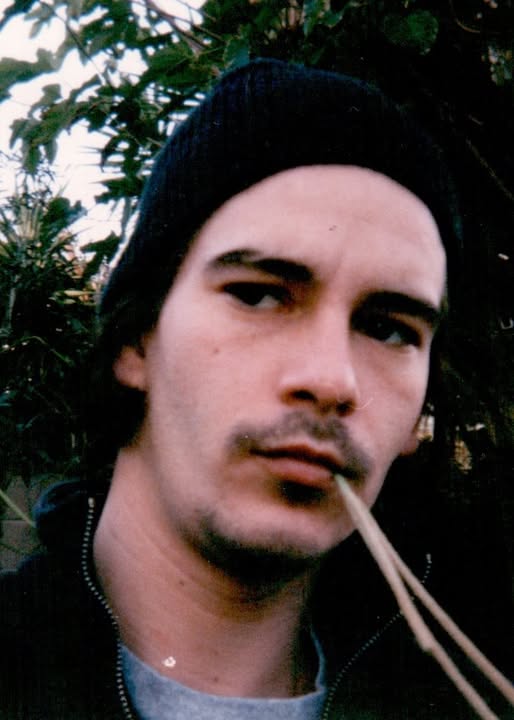
Reckless youth and the tragedy behind the swagger
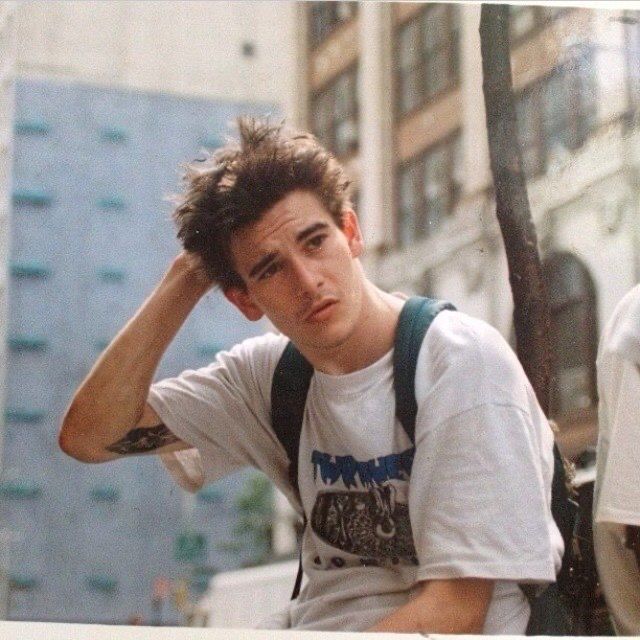
Raw, unpolished charisma. Deep-seated vulnerability beneath a tough exterior. A tragic beating heart.
A few words to describe actor and skateboarder Justin Pierce, who died in 2000.
He was a bit of a looker.
Sharp, angular features. A symmetrical face. Strong jawline. High cheekbones. Intense, dark eyes. Dark hair that alternated between a sharp buzz cut, a messy, tousled style and chin-length waves, often tucked beneath a backwards baseball cap or a knitted beanie. And that layer of stubble, the faint moustache.
There was a dishevelled edge about him.
And the dress code.
Baggy cargos. Oversized skate tees.
He was a 90s rebel, a style icon for a generation of skaters who followed in his footsteps. The truth is, today’s skater boys probably have no idea who Justin Pierce was.
His claim to fame came when film director Larry Clark discovered him skating in New York’s Washington Square Park. He cast him in Kids, a film following 24 hours in the lives of aimless Manhattan teenagers, who prey on and protect one another. They drink, get high, talk trash. But mostly, they have unprotected sex.
Released in 1995, Kids was both condemned and praised for its uncompromising portrayal of teenage sex, drugs and violence.
It has since become a cult classic.
Pierce played Casper, a profane, drug-addicted skateboarder. The New York Times described him as:
“A reckless goon who spends his day huffing nitrous oxide, swilling beer and starting fights in the park.”
An antihero with chaotic charm.
“He’s really riveting,” his co-star Rosario Dawson said. “I had such a crush on Justin when we did the movie. He was such a mess.”
By all accounts, he could get seriously fucked up. Drunk. Arrested. There were also stories of fist fights with co-star Leo Fitzpatrick.
The line between Justin Pierce and Casper was never an easy one to draw.
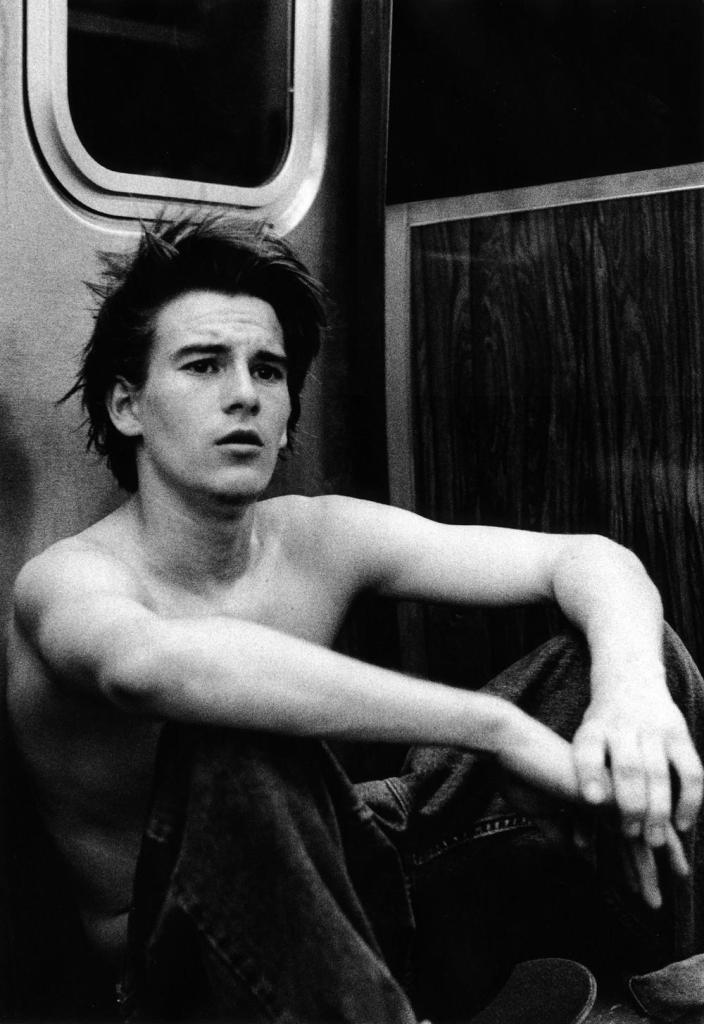
Pierce grew up in Marble Hill, in northern Manhattan. As a teenager, he dropped out of school and moved into a basement apartment on 176th Street, known as the Dungeon, which was teeming with fellow skaters. His self-destructive streak wasn’t invented for the screen. Casper had been written specifically with him in mind.
“His style, his swagger, his whole thing was kind of unprecedented,” screenwriter Harmony Korine said. “He was supermagnetic, and there was something really beautiful about him. At the same time, he was completely uncontrollable. He went for it all of the time, and that’s part of what got him into trouble.”
In 1996, Pierce won the Independent Spirit Award for Best Debut Performance.
After Kids, he went on to appear in a further dozen films. His most recognisable mainstream role was Roach in the 2000 box-office comedy Next Friday, alongside Ice Cube. On television, he appeared in the HBO film First Time Felon (1997) and guest-starred in two episodes of Malcolm in the Middle in 2000.
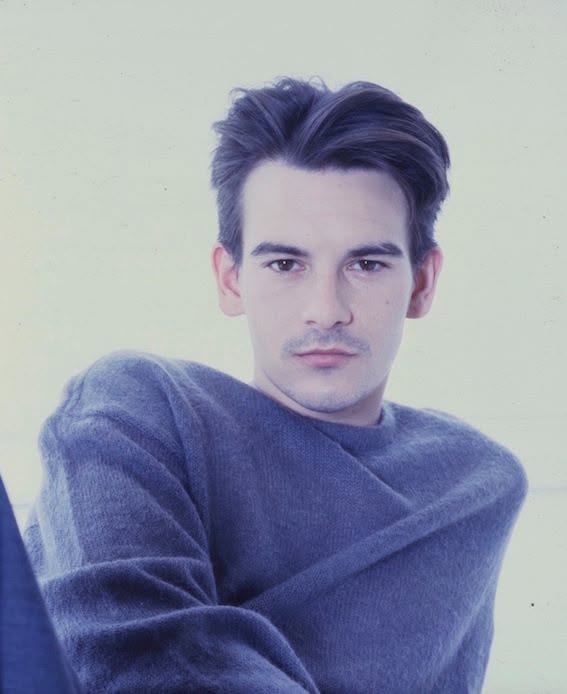
But skateboarding remained his first love.
Pierce was an original rider for the Zoo York skate team. He featured prominently in the now-iconic Zoo York Mixtape video (1998) and was a founding member of the original Supreme crew, back when the brand was still a single shop on Lafayette Street.
After Kids, he moved to Los Angeles and married stylist Gina Rizzo in 1999.
But something was troubling him.
In July 2000, aged just 25, Pierce was found dead in his room at the Bellagio Hotel in Paradise, Nevada. His death was ruled a suicide. Reports indicated that two notes had been found, though their contents were never made public.
There has been speculation about the toll that drugs took on the young cast of Kids. Pierce struggled with substance abuse, something that was an open secret within the community. Another of his co-stars, Harold Hunter, died of a cocaine-induced heart attack in 2006.
Pierce’s death received relatively little attention at the time. But Kid 90, the 2021 documentary directed and produced by Soleil Moon Frye, brought him back into view for a new generation and offered another glimpse of the troubled young man behind the swagger.
Frye had spent four years going through footage she had shot as a teenager in the 1990s, along with her diaries and voicemails. What emerged was a time capsule of youth, excess, friendship and vulnerability.
Those who knew Pierce remembered his extraordinary good looks. Perhaps there was a little envy in their recollections, too. But there was affection as well. They remembered the magnetism, the swagger, the beautiful mess of him.
Another waste of a young life.