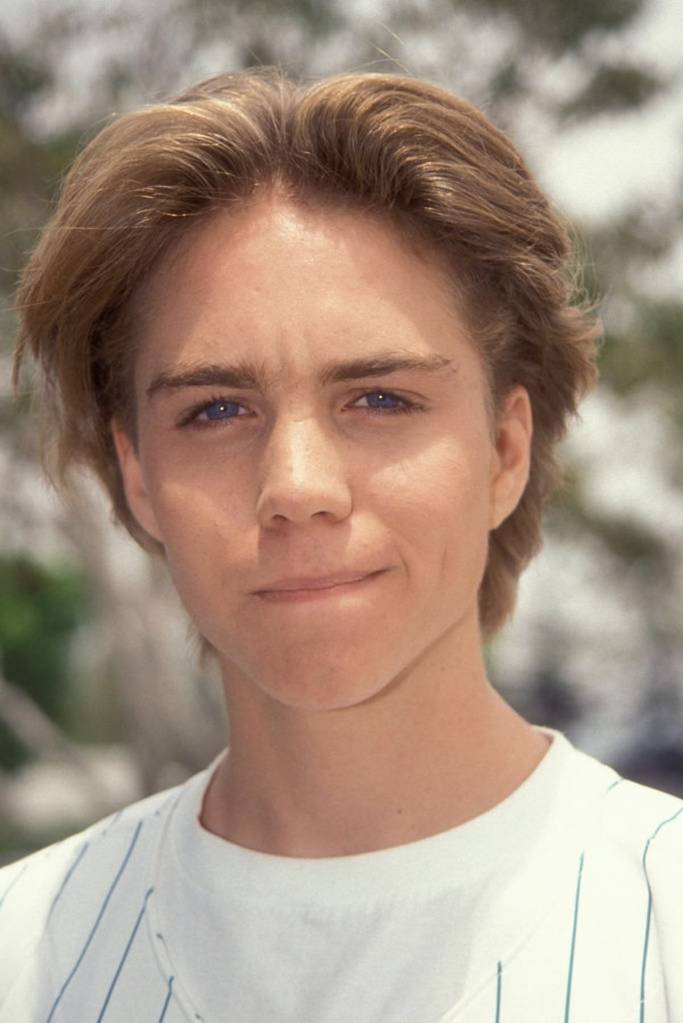
Jonathan Brandis and the loneliness of being forgotten
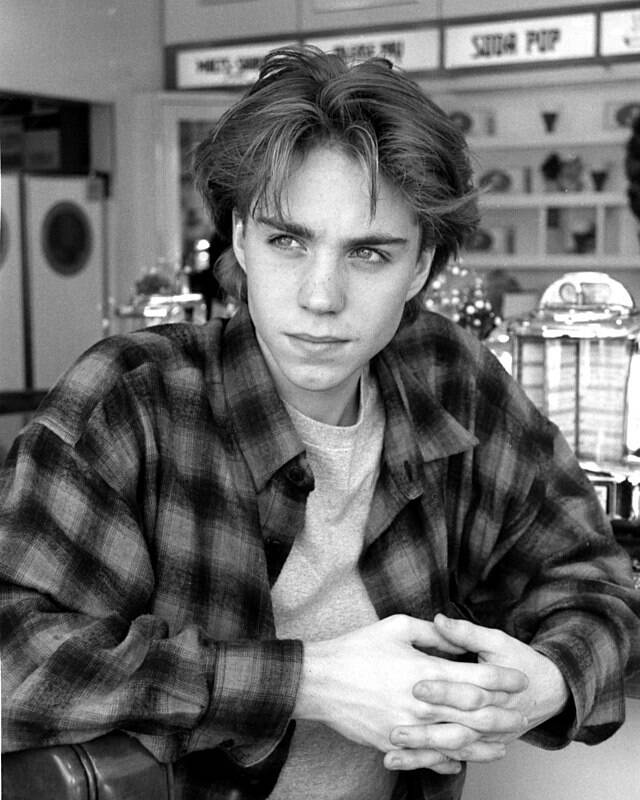
While researching Jonathan Brandis, I had the strange feeling that he reminded me of someone.
Then I realised.
He looked uncannily like my friend.
I would later discover that they shared some of the same torments.
But there is a difference.
Jonathan Brandis is dead.
My friend isn’t.
“I want to be remembered as an actor who put in some good work in the beginning of his career, even better work at the end of his career and slowly, successfully made the transition into writing and directing,” he told Nicki Swift in the Hartford Courant in 1994.
It didn’t end that way.
Brandis was boyishly handsome. Dark blond hair. Blue eyes.
Yes, the eyes were beautiful.
In the 1990s, Tiger Beat readers voted him their number one ‘dreamboat’, while Seventeen placed him among its ten sexiest guys.
At the height of his fame, he was receiving 4,000 fan letters a week. Three studio guards were needed to escort him through the mobs of fans at Universal Studios in Orlando, where seaQuest DSV, the Steven Spielberg-produced futuristic underwater fantasy, was filmed.
Between 1993 and 1995, Brandis played Lucas Wolenczak, a teenage computer genius who bonded with Darwin, a dolphin capable of communicating with the crew.
Born in Connecticut in 1976, Brandis began modelling for advertisements as a child. By nine, he had moved to Los Angeles.
There were television appearances in L.A. Law, Who’s the Boss?, Full House and Blossom.
Then came the films.
Most famously, he played Bastian in The NeverEnding Story II: The Next Chapter in 1991.
He auditioned for the role of Anakin Skywalker in Star Wars: Episode II – Attack of the Clones. Hayden Christensen got the part.
It was no big thing.
seaQuest DSV was just around the corner.
Then seaQuest was cancelled.
And suddenly the boy who had been everywhere was finding it difficult to get the roles he thought he deserved.
There were television movies. Smaller parts.
But the momentum had gone.
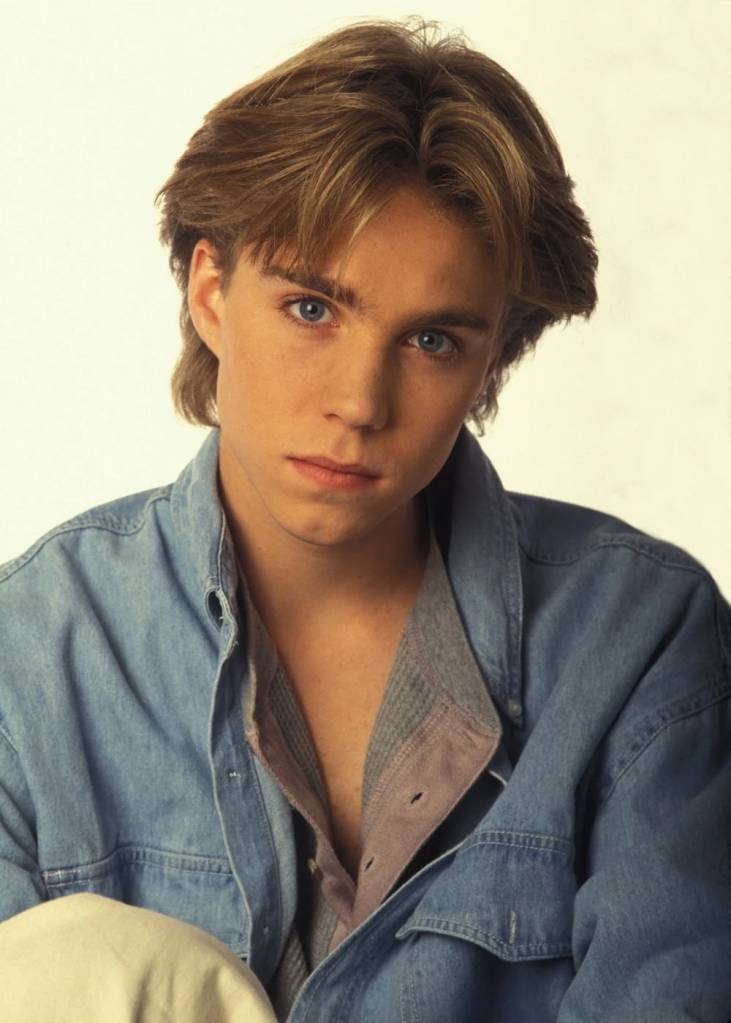
Brandis was devastated when most of his appearance in the 2002 war drama Hart’s War ended up on the cutting-room floor.
Underneath the persona, the long career lull — and the creeping realisation that he was no longer the boy Hollywood had once wanted — became sources of anxiety.
He began drinking heavily.
He allegedly told people he wanted to kill himself.
In November 2003, a friend found the 27-year-old Brandis hanging in the hallway of his Los Angeles apartment.
Paramedics rushed him to Cedars-Sinai Medical Center.
He died the following day.
There was no suicide note.
There were no drugs in his system.
At first glance, Brandis might seem like another tragic victim of Hollywood.
A beautiful young man who had been adored, then discarded.
But perhaps it was more complicated than that.
In his memoir Growing Up Urkel, Jaleel White writes about Brandis and the strange pressure placed on young actors who grow up in the business.
“Just like me, he had dedicated his entire life to achieving what Leonardo DiCaprio and the rest of his peer group had seemingly accomplished with ease.”
When White learned that Brandis had died, he wrote that he “cried for what felt like a fallen soldier.”
Years later, Brandis’s father offered another explanation.
He suggested that his son may have been bipolar.
“His death wasn’t due to the entertainment industry,” he said. “I look back now, and in his 20s, he showed signs of manic depression.”
Perhaps that is the more uncomfortable truth.
The industry may have contributed to the disappointment, the loss of status, the feeling of being forgotten.
But the darkness may have been there long before the lights went out.