The world of a clergyman with unconventional affections
“Do you think that a boy – and a shy boy too –
Finds it easy to come to a man like you,
And propose to be friends – real mates for life?
You make a mistake if you do!”
These lines come from Bradford’s poem At Last, which touches on a recurring theme in his work: the difficulty a shy young man might have in approaching an older man and suggesting a lasting friendship. In Bradford’s world, it seems, the first move is usually down to the older man. He’s the one expected to reach out, make the approach and bridge the gap.
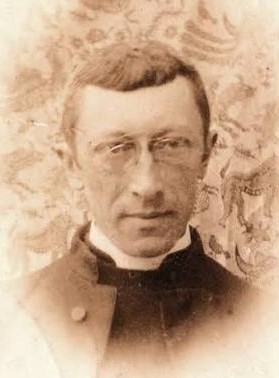
I have a soft spot for the poetry of the Reverend Edward Ernest Bradford (1860–1944), an English clergyman, Uranian poet and prolific writer of stories, articles and sermons.
But he does make me a bit queasy sometimes.
Unlike writers who approached forbidden desires through guilt, anguish or tragedy, Bradford tended to be remarkably cheerful about the whole business. His poetry is breezy, affectionate and, at times, almost disarmingly upbeat.
It places him at an uncomfortable intersection of Victorian and Edwardian romanticism, religious devotion and relationships between adult men and young males – a combination that sits rather awkwardly with contemporary ideas about age, consent and power.
He would certainly have a hard time navigating social media today. He’d probably be cancelled before he’d finished his morning prayers.
And, if we’re being honest, he did look like a rather creepy vicar.
Yet Bradford was not without admirers. His work attracted the attention of some distinguished literary figures, including W. H. Auden and John Betjeman. The latter was sufficiently interested to visit him in Norfolk in 1935.
There’s something fascinating about Bradford: a poet whose work can be charming, uncomfortable and occasionally downright peculiar, sometimes all within the same few lines.