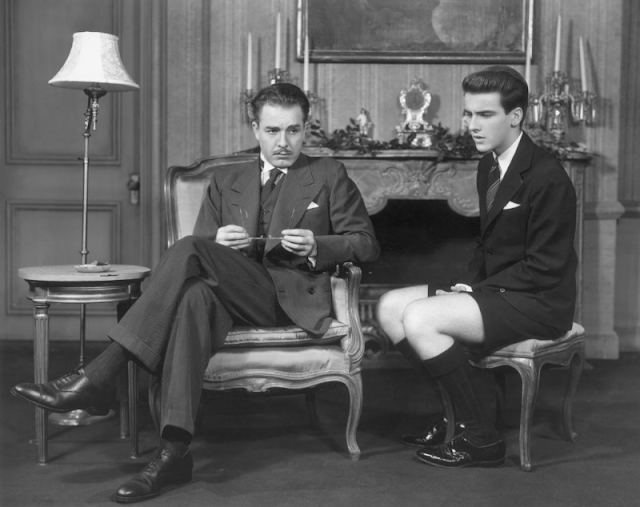
The art of being beautiful without ever appearing to try
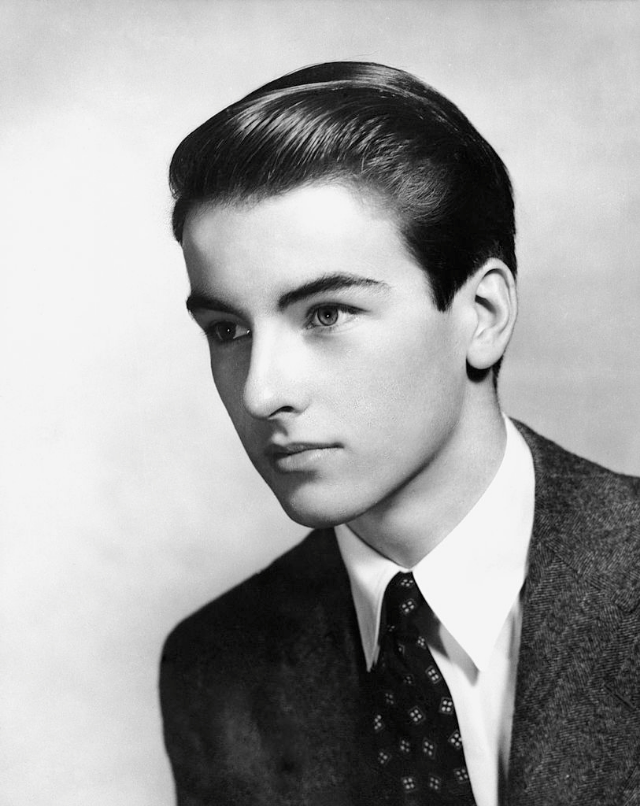
I was under the misguided impression that Montgomery Clift had been a crusty old movie star.
Youth and ignorance, it seems, go hand in hand.
Edward Montgomery Clift (1920–1966) was, in fact, one of the most beautiful men ever to grace a Hollywood screen. And I don’t mean beautiful in the conventional, polished leading-man sense. There was something altogether more interesting about him: a delicate face, extraordinary eyes, and an almost disarming vulnerability that made it difficult to look anywhere else.
Alongside Marlon Brando and James Dean, Clift helped change the way men acted in Hollywood. He was one of the pioneers of method acting, but his particular contribution was rather different. Where Brando brought physical intensity and Dean gave us youthful rebellion, Clift offered something more elusive: sensitivity, uncertainty and a masculinity that didn’t need to announce itself.
Before him, Hollywood’s leading men were generally expected to be rugged, confident and reassuringly masculine. Think Clark Gable or Gary Cooper. Clift arrived with a different proposition. He could be anxious, tender, troubled and occasionally downright awkward. He was also breathtakingly handsome. The combination was quite something.
There was a poetic quality to his appearance, a kind of golden-boy beauty that seemed almost at odds with the complicated characters he played. He wasn’t simply another handsome leading man. He had an emotional transparency that made his beauty feel all the more compelling. You sensed there was always something going on behind those eyes.
Then, in 1956, came the accident.
While filming Raintree County, Clift was involved in a devastating car crash that left his face badly damaged and required extensive reconstructive surgery. His appearance changed dramatically. The fine features that had once made him such an ethereal screen presence were altered, and the Hollywood golden boy was no more.
But to suggest that his appeal disappeared would be to miss the point. His later performances had a different kind of intensity. His face, now carrying the physical traces of the accident, seemed to tell its own story. And those eyes, always his greatest asset, became even more expressive. If anything, there was a new depth to his screen presence.
Clift was also something of a rebel when it came to Hollywood. He resisted the studio system, refused to be tied down by the long-term contracts that were then the norm, and chose his roles with considerable care. He guarded his private life just as fiercely, preferring to keep the more intimate details away from the public gaze.
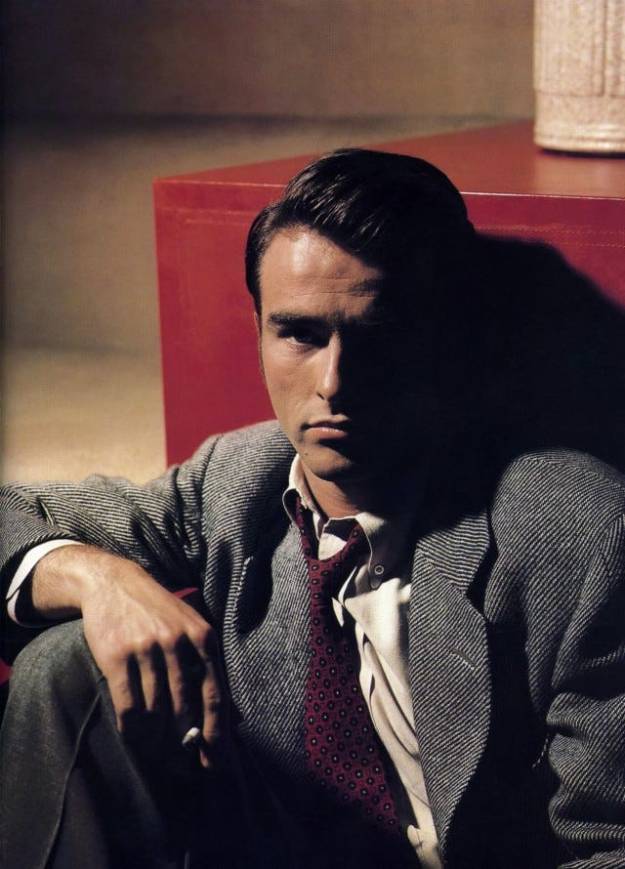
His sexuality is no longer quite the mystery that Hollywood once tried to make of it. His mother reportedly said she had known from an early age that he was homosexual, while his brother described him as bisexual. Whatever terminology we choose, Clift’s relationships with men were known within his private circle, even if they remained largely concealed from the wider public.
Among those associated with his romantic life were Jack Larson, best remembered as Jimmy Olsen in Superman, and theatre actor William LeMassena, with whom he reportedly had a relationship lasting three years.
There was also his connection with the celebrated Broadway choreographer Jerome Robbins. Accounts of their relationship have been complicated by the passage of time, but actor Russ Tamblyn recalled a Fire Island party involving Clift that reportedly helped inspire Robbins’s thinking about what would eventually become West Side Story. Hollywood, it seems, wasn’t the only place where Clift left an impression.
Montgomery Clift died on 23 July 1966, aged just 45. He was found in bed at his Manhattan townhouse, and the cause of death was determined to be a heart attack resulting from coronary artery disease. Years of ill health, substance abuse and the lasting consequences of the 1956 accident had taken their toll.
It’s tempting to look back on Clift’s life and see only the tragedy: the accident, the struggles, the early death. But I rather think that does him a disservice.
What stays with me is the young man on the screen. The extraordinary face, the beautiful eyes, the slightly troubled expression and that wonderfully unconventional approach to masculinity. He could be impossibly handsome without seeming remotely pleased with himself about it.
Perhaps that was part of the attraction. Montgomery Clift didn’t look as though he knew quite how beautiful he was. And, that made him even more so.