
Pianophilia

Severin introduced me to the works of German classical pianist Julius Asal. I am ‘polyjamorous’ which is an engaging way to describe me as someone who enjoys multiple, diverse music genres. Either that, or I am ‘genre fluid’. I can listen to almost anything but I must confess to finding classical piano a bit tedious. But Severin shocked me more than anything. He rarely listens to anything but R&B hip-hop, but swears he loves Asal’s music. I’m not convinced. I think it’s a classic case of being entirely enamored by the package and not the product.
Queerbaiting
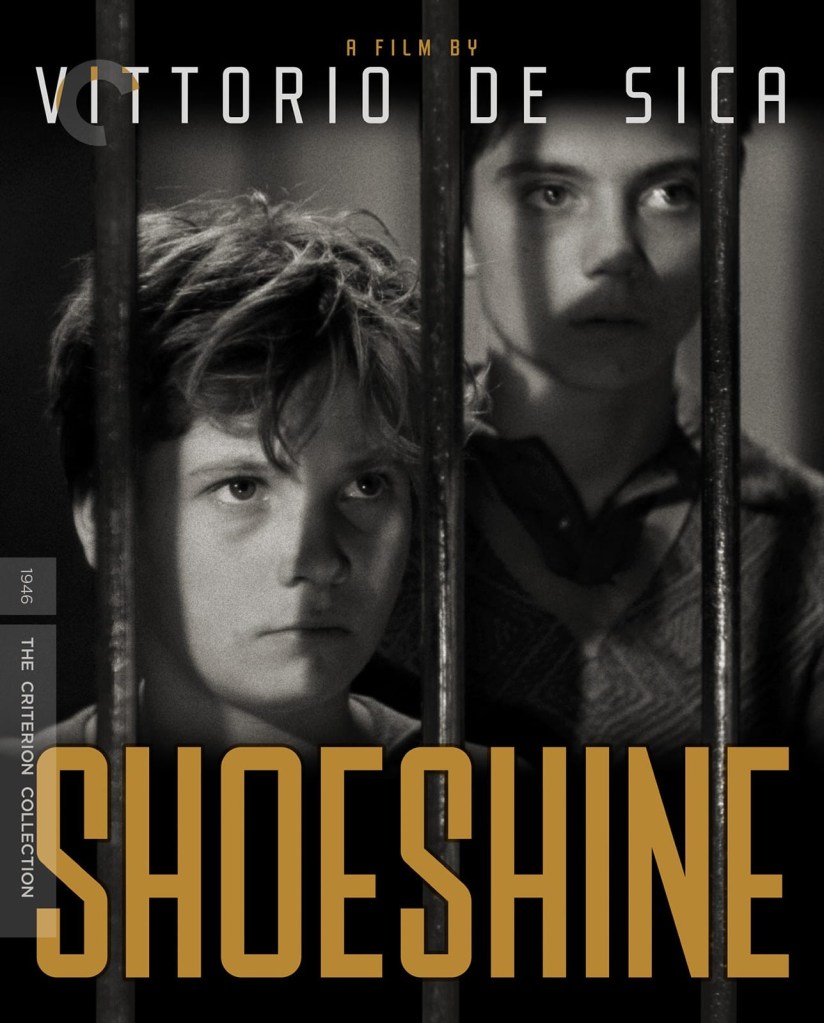
The film textbooks insisted I watch Vittorio De Sica’s Italian neorealist masterpiece Shoeshine (Sciuscià). It was quite charming in the bleakest possible way.
Postwar Rome. Giuseppe and Pasquale, two impoverished shoeshine boys, pool their pitiful earnings to buy a beautiful white horse. Unfortunately, a black-market scam lands them in a brutal, overcrowded juvenile reformatory, where the system proceeds to turn their devotion into a spectacular mess of betrayal, jealousy and tragedy.
The cinema boffins have a field day with the coded queer subtext, particularly a shower scene widely regarded as the homoerotic high point of the film. A bit awkward for De Sica, who acknowledged the element but insisted it was dictated by the reality of the reformatory rather than any desire to explore it.
Then, in a 1971 interview, when asked why he hadn’t developed the theme of “homoerotic love among adolescents”, he offered the following charming explanation: “Because it revolted me.”
That put a dampener on the after-film discussion.
Defiance
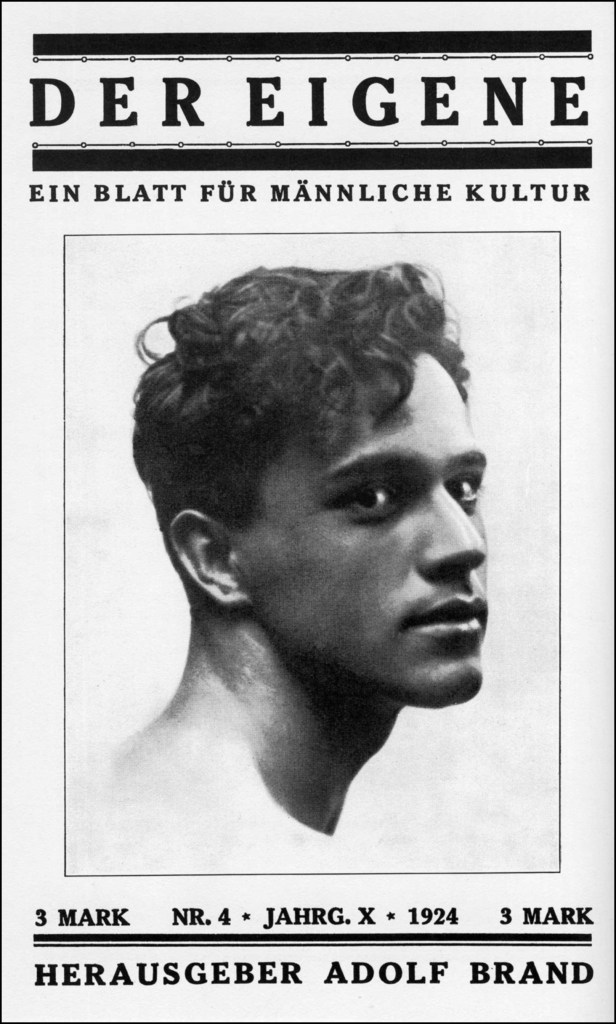
Published in Berlin between 1896 and 1932, Der Eigene (roughly, “The Self-Possessed”) is widely regarded as the world’s first gay magazine. Founded by Adolf Brand, it began life as an anarchist publication before turning its attention to male beauty, same-sex love and what it rather grandly called “manly culture”.
Inspired by Max Stirner’s anarchist classic The Ego and Its Own, the magazine attracted an impressive cast of contributors, including writers Thomas Mann, Klaus Mann, Erich Mühsam and John Henry Mackay, alongside artists such as Wilhelm von Gloeden and Sascha Schneider. Not exactly a niche publication without literary connections.
Subscribers also gained membership of the Gemeinschaft der Eigenen (Community of Self-Owners), a discussion group intended to offer solidarity and protection against blackmail. Women, however, need not apply.
The magazine operated under the watchful eye of authorities who were less than enthusiastic about its interests in male nudity and personal advertisements of an allegedly indecent nature. Brand himself was convicted of distributing obscenity in 1922. Apparently, celebrating the male form was not always considered a respectable pastime.
The end came with the Nazi seizure of power in 1933. Brand’s home was raided, his materials confiscated, and Der Eigene was silenced for good. For more than three decades, however, it had helped make a little space for gay culture in a world determined to keep it out of sight.
Unfiltered
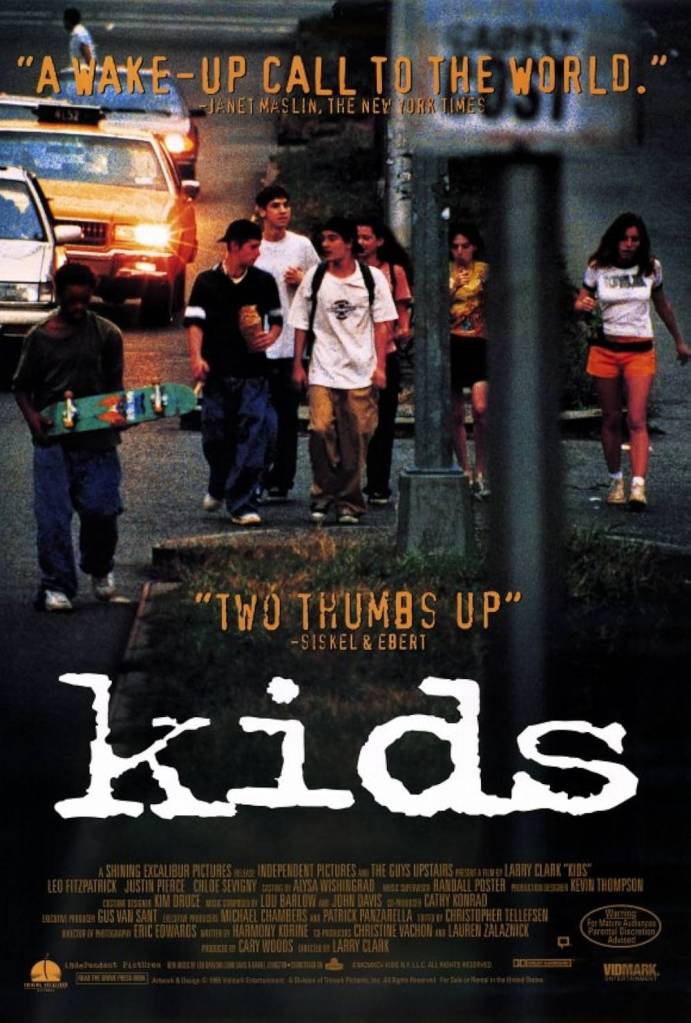
I finally got round to watching Larry Clark’s Kids (1995), the film that scandalised audiences with its raw, unapologetic portrait of New York teenagers behaving as though tomorrow was a rumour.
Judging by the Letterboxd reviews, it still has the power to horrify. Apparently, I’m immune to the outrage. Or perhaps just unfiltered.
I loved it.
Shot in a loose, documentary-style aesthetic, Kids feels less like a conventional film than an afternoon you’d rather not have witnessed. At its centre is Telly (Leo Fitzpatrick), a seventeen-year-old who makes a sport of seducing virgins, treating sex as a conquest and other people as collateral damage.
Then there’s Jennie, a teenage girl who discovers she’s HIV-positive and races across New York to find Telly before he can put other girls at risk. What follows is a headlong descent into nihilism, drug and alcohol abuse, casual violence and a spectacular absence of adult supervision. Good times, then.
Beneath the grime is a fascinating portrait of male group dynamics: the posturing, the need for approval, the casual cruelty and the almost religious importance of impressing your mates. Female partners are disposable; male approval is everything.
The film’s legacy is hardly less troubling. Its young, largely inexperienced cast reportedly received little protection from the material they were asked to inhabit, and the subsequent deaths of actors Justin Pierce and Harold Hunter lend the film an especially grim afterlife.
Kids remains ugly, uncomfortable and morally bleak. But that’s precisely the point. It doesn’t ask us to approve of these boys. It asks us to look at them. And, judging by the continuing outrage, plenty of people would rather look away.
On the Cute and the Willing
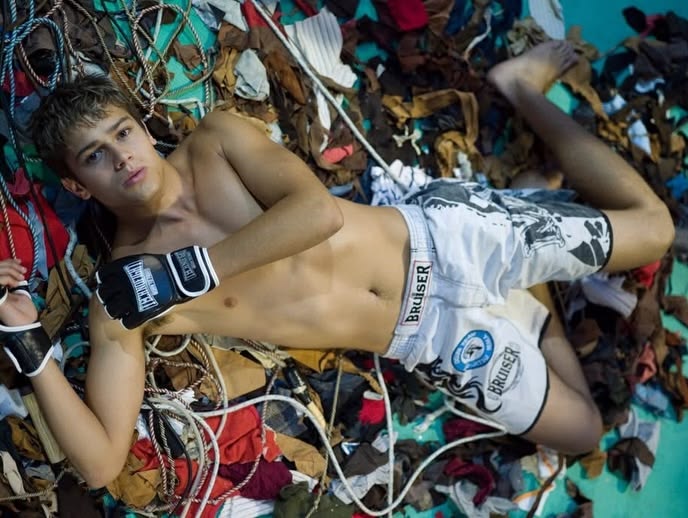
Hypermasculinity, but make it submissive. Tactical gear, exposed skin, defined abs and a gaze less a threat than an invitation. The homoerotic tension. All that violence and control, softened by a body that is at ease being looked at. Masculinity as spectacle; vulnerability as seduction. The male form, offered up for consumption. Less alpha male, more please perceive me. The male gaze has entered the chat, and he can stay.

