Tag Archives: Rome

The Asphalt Doesn’t Remember


Powerful. Sad. And brutally direct.

While researching the death of Alessandro Momo, I came across an Italian article whose opening paragraph said almost everything that needed to be said. The Italians have a remarkable ability to get straight to the point — no throat-clearing, no sentimental padding, just the thing itself.

I wish I could tell you who wrote it. Unfortunately, I haven’t been able to identify the author. So I can only reproduce the English translation here, and leave the original writer their anonymity.

The Asphalt Doesn’t Remember

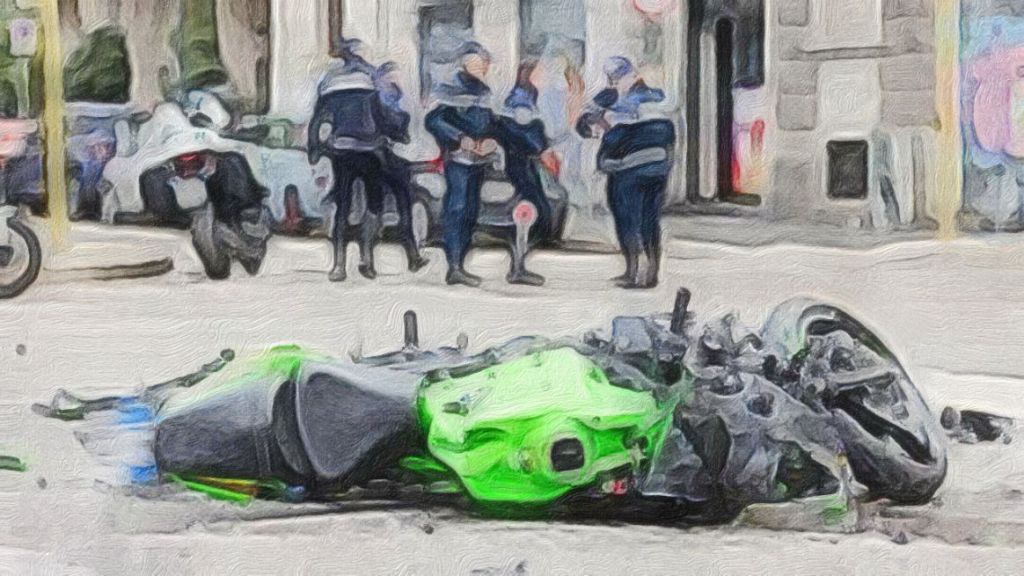
“The asphalt doesn’t remember. So many boys have been torn apart. Crushed into the streets along with their scooters. Their skin scraped away on the road. Like an apple. Like cheese scattered over pasta.

Plastic, blood, rubber, raw flesh, the cast iron of engines. Then tar. Crushed stone. The proportions change, but this is the asphalt of Rome.

A city that lives on two wheels.

And dies on them.”
Stolen Words: Pasolini – The Projects

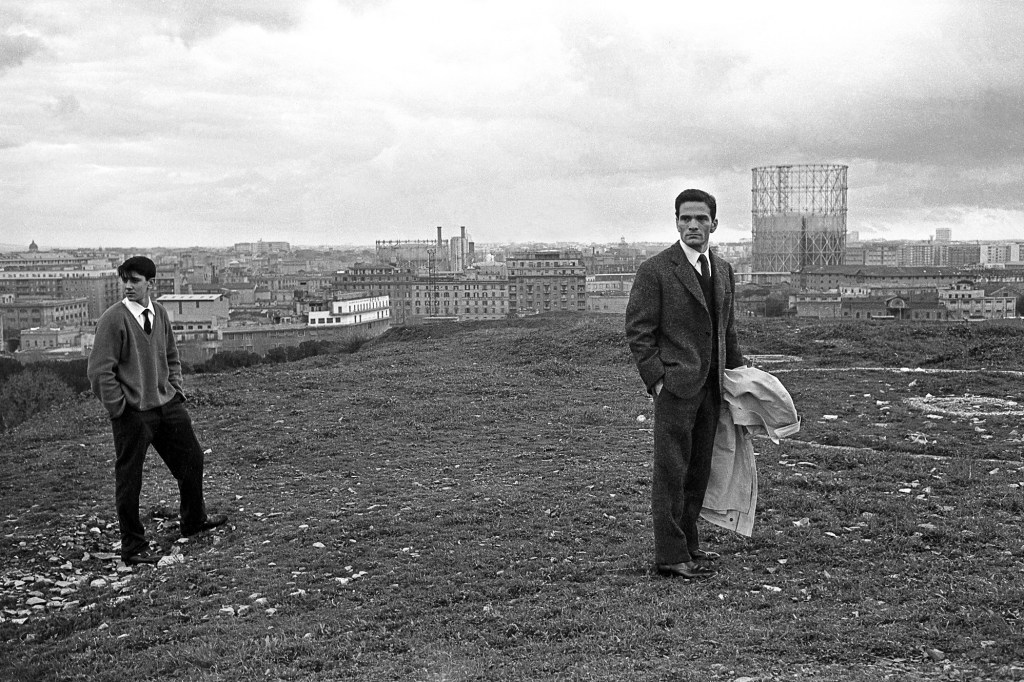
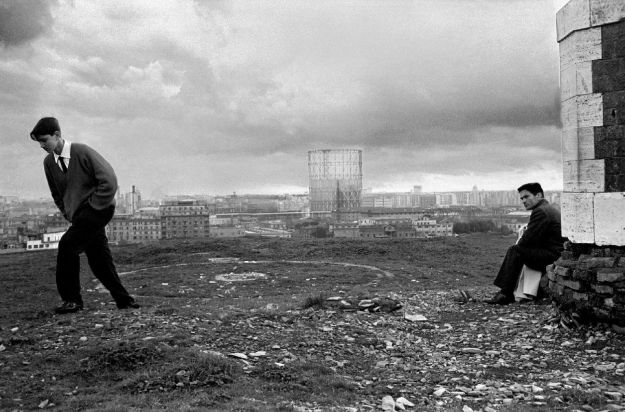
This iconic photograph captures the Italian film director and poet Pier Paolo Pasolini at the Monte dei Cocci (also known as Monte Testaccio) in Rome, 1960.

It was there that I had met, or in fact only seen, another youth, Nino, who was reduced almost completely to his pure image. It was a sunny day, and everything shimmered, the garbage and weeds, tall buildings and shacks. He was standing in the sun in a purple shirt, his deep blue eyes filled with a strange, almost cruel innocence. He was a boy like so many others, with a job, or perhaps in search of a job. I saw him some time later, grown up and somewhat thickened, on the train to Ostia, with his father and mother, and probably some younger brothers and sisters. His gaze was somewhat cloudy, but it was still pure and innocent. He joyfully introduced me to his parents. His father was robust, still young, and seemed like an honest factory worker, and his mother, who also seemed young, showed the brusque tenderness typical of Roman mothers just slightly softened and mitigated by the fact that her son already had the bearing of a young man. A year or two later, I’m not sure, I crossed paths with a friend of Nino’s called Bruno and asked about the boy. Bruno thought for a moment, comically knitting his brow. Then he came to a decision and raised his hand in front of his face, with the fingers apart. He meant that Nino was in jail, at Regina Coeli.

From: Chronicles of Rome, Pier Paolo Pasolini, 1961.